

The end of virality as a brand strategy


“Chronically online” used to be something people almost boasted about.
It was shorthand for cultural awareness, digital fluency, and being “on the pulse” without having to say the words.
Now it feels less like a badge of honor and more like something people would rather keep confined to their sofas, bed rots, and screen time reports they refuse to open.
That shift says a lot about where internet culture is heading. People are not abandoning digital spaces, but they are becoming more aware of the effect those spaces have on their attention, taste, behavior, and energy.
For brands, being visible online is still important. But visibility alone is becoming a weaker proxy for relevance.
Virality was never really a strategy
For the last decade, virality has been treated as an unquestionable good. Brands wanted it. Products needed it. Places chased it. Clients slipped it into deliverables very casually, as if “going viral” was a strategy rather than a wildly unpredictable outcome.
And for a while, it felt possible. The randomness of the TikTok algorithm made overnight success feel comfortably within reach for almost anyone.
But virality can no longer be used as a blanket measure of success.
People are exhausted by everything becoming content. Exhausted by everything being overly shared, instantly visible, and available to everyone, everywhere, all at once.
The experience of simply being somewhere is increasingly shaped by its digital reputation and the version you first encountered online. You don’t discover restaurants, neighborhoods, or even cities anymore.
You arrive having already judged the version that has been filmed, reviewed, ranked, and stitched by thousands of strangers.

[Pictured above: Folderol wine bar in Paris]
Part of what made these places special was that they felt human, local, and real.
The more a place, product, or experience is optimized for sharing, the harder it becomes to feel like you’ve discovered it for yourself. And some of the joy disappears with that.
When virality works, it really works
Of course, for product businesses, virality is different.
On the Ladies Who Launch podcast episode with Vivien Wong, co-founder of Little Moons, discussed how the lockdown transformed their business and introduced millions of people to a product they otherwise might never have tried. And then there is Stanley, whose Quencher became one of the clearest recent cases of a product boosting revenue from $73 million in 2019 to $194 million in 2021.
At its best, virality can create genuine excitement, conversation, and commercial success.
But people are becoming more selective with their attention, conscious of what they consume, and interested in things that feel genuinely worth their time. You can see it in the rise of “offline” culture, the purposeful reduction of screen time, and the growing desire to make digital consumption feel more intentional.
Doomscrolling isn’t disappearing, unfortunately. But people are becoming more aware of where their energy is going.
The problem with everything going viral
The problem is that when everything becomes viral, nothing gets the chance to stay small.
Nothing gets to remain genuinely niche.
Demand now outpaces supply for almost everything. The second something is deemed worth having, seeing, wearing, eating, or visiting, it becomes overly visible and oversubscribed.
But more exposure doesn’t necessarily create more meaning. It doesn’t automatically build affinity. Just like jumping on every trend doesn’t make a brand relevant.
From attention to intention
For years, the internet rewarded reach above almost everything else. Attention, attention, attention. The goal was to be seen by as many people as possible, as quickly as possible, regardless of whether those people actually cared.
The goal is shifting from attention to intention. Consumers still love great content. They’ve just stopped rewarding content that feels engineered purely to go viral.
This is why the age of community is so interesting for brands. It’s why platforms built around conversation, shared interest, and participation continue to grow. It’s why people increasingly trust recommendations from communities over recommendations from algorithms. And it’s why live experiences, brand worlds, and community-led moments feel more valuable.
Real life is becoming more valuable because online life has become so crowded.
Niche requires discipline
This leaves brands with a more specific challenge.
It is not enough to be visible. Brands need a clearer understanding of where they belong, what role they play, and which audiences they are genuinely trying to serve. Just as importantly, they need to understand where they do not belong.
That requires discipline. It means resisting the pressure to participate in every trend, enter every conversation, or optimize every experience for maximum shareability. It means building depth through stories, people, products, experiences, and communities that reinforce a consistent point of view.
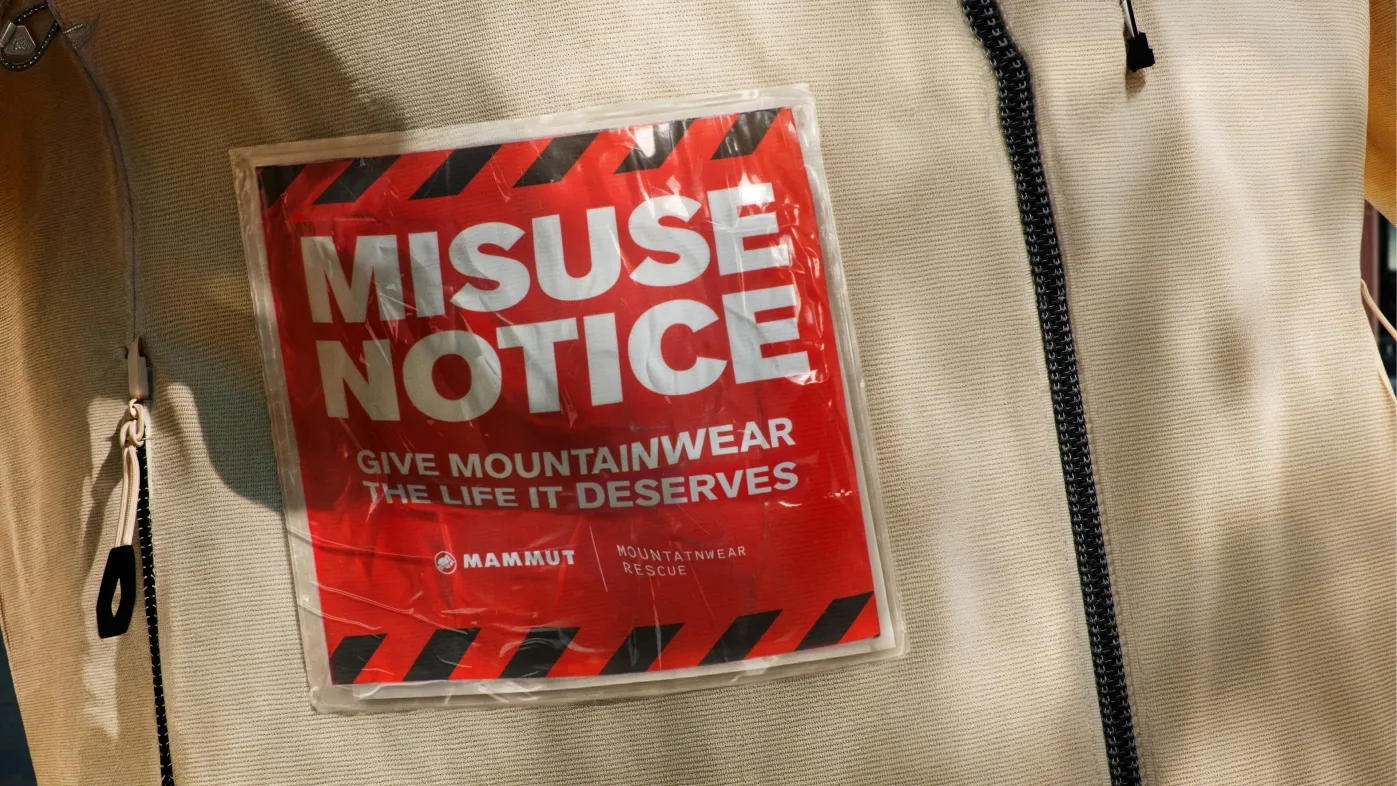
Take DEPT®’s work with Mammut. As gorpcore pushed technical outdoor gear further into streetwear culture, Mammut faced a familiar brand challenge: how to reach a broader, culturally engaged audience without diluting its credibility with serious outdoor communities.
The answer was not to chase the trend, but to respond to it from a position the brand could credibly own. The Mammut Mountainwear Rescue Team campaign playfully reclaimed mountain gear from urban misuse and returned it to where it belonged: the mountain. It was social-first and highly shareable, but the idea worked because it was grounded in a specific brand truth rather than borrowed cultural relevance.
On social, that kind of discipline might look like fewer reactive posts and more sustained storytelling. In partnerships, it might mean choosing collaborators based on shared relevance rather than borrowed reach. In practice, it might mean designing moments that are valuable to the people in them, not just to the content they produce afterward.
Being everywhere is not the same as mattering.
The backlash against overexposure doesn’t mean brands should retreat from culture or stop trying to grow. It means they need to be more intentional about the kind of attention they create, the communities they participate in, and the value they offer once people are paying attention.
Maybe being niche was never about being small. Maybe it was about being specific enough that people knew why they cared.
This post originally appeared on the INDEPTH Substack.