How Brookfield Zoo Chicago modernized its digital front door with Contentful & DEPT®


This post is adapted from a webinar co-hosted by DEPT®, Contentful, and Brookfield Zoo Chicago on how modern marketing demands are exposing the limits of legacy CMS platforms.
Picture this: It’s 11:45 AM at Brookfield Zoo Chicago.
A family navigates the grounds to catch the popular 12 PM grey seal training session. But there’s a problem—the grey seal isn’t feeling it today.
As Allie Gospel, Performance Marketing Manager at Brookfield Zoo Chicago, knows, whether an animal needs an impromptu vet check, the weather turns, or a seal decides to snooze through its noon performance, real-world operations change by the minute.
On the zoo’s old legacy CMS, making a quick schedule change to manage visitor expectations was an operational nightmare. Taking down a single 20-minute event required workarounds or duplicating effort across static pages every day of the year.
Brookfield Zoo wanted to transform their digital presence from a rigid online brochure into an agile, digital front door. And that required a flexible, composable content architecture.
The quiet death of a legacy CMS
Marketing friction rarely starts with a catastrophic site outage. It shows up in quiet, everyday slowdowns:
- Over 80% of zoo visitors buy tickets or navigate the grounds on their phones, yet the legacy site was built for desktop-first browsing.
- As the zoo added events, conservation programs, and habitats, the site navigation kept growing longer and deeper, burying core stories and key pages.
- Simple updates required CMS workarounds or hardcoded fixes.
The team constantly had to ask: “Is the juice worth the squeeze?” When adding a single daily event or sponsor logo takes hours of manual work, marketing teams simply stop trying new ideas.
Moving from static to structured content
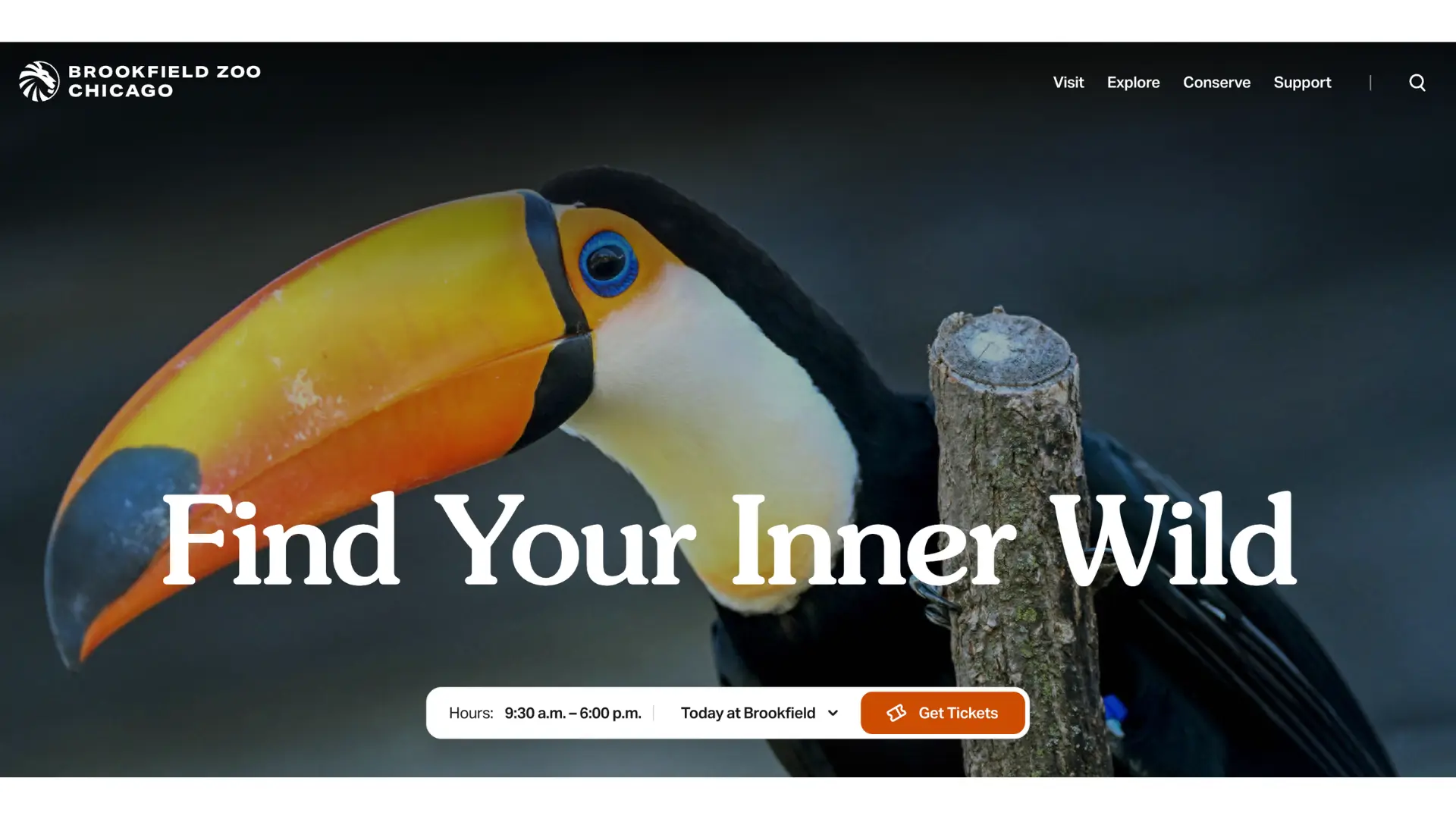
To support a dynamic institution preparing for its 100th anniversary, Brookfield Zoo Chicago teamed up with DEPT to overhaul their digital foundation. Understanding their need for flexibility and composability, we recommended Contentful.
Instead of locking content into rigid, page-based templates, they adopted a composable, structured content model. This decoupling of content from code gave the marketing team total freedom without needing an internal army of developers.
By turning pages into modular blocks—events, animal profiles, sponsorship badges, and habitats—the team created a single source of truth.
How real-time agility changed Brookfield’s business
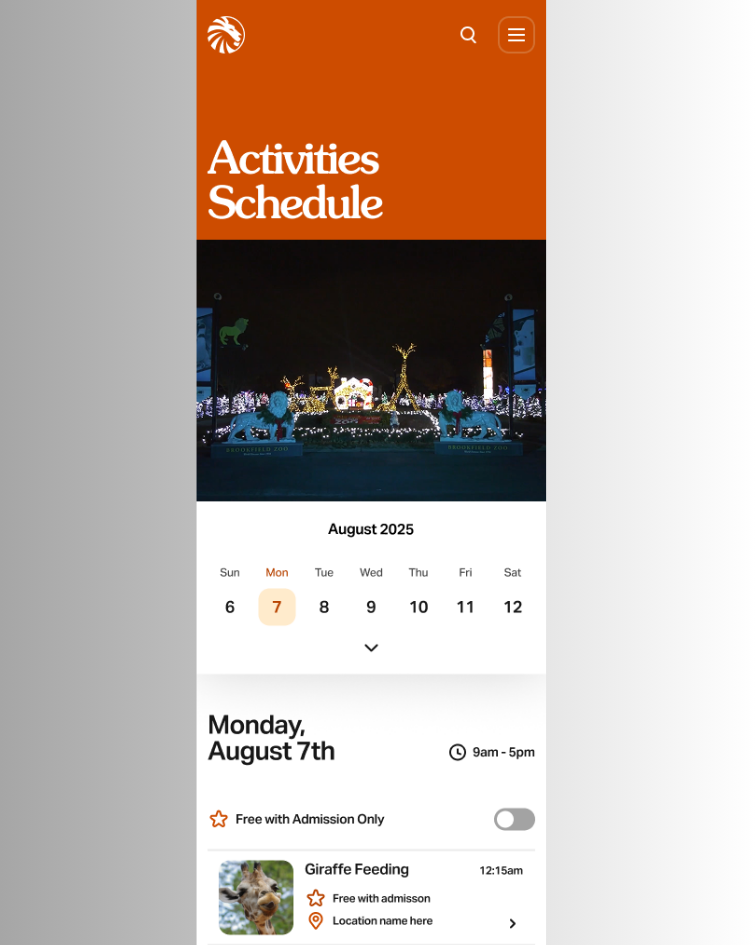
Real-time daily overrides: The new mobile-first site features an interactive daily activity calendar that updates in real time. Past events disappear automatically so guests only see what’s available right now. If an animal chat is canceled, the team can override that single instance in seconds without disrupting the rest of the schedule or deleting the recurring event model.
No-Code freedom for marketers: When Brookfield Zoo Chicago secured a corporate partner to sponsor the bald eagle habitat, the marketing team didn’t need to submit a developer ticket. The marketing team simply applied the existing sponsorship module built for events across habitat templates.
Direct-to-intent SEO rankings: In the old system, finding specific exhibit info required digging through dense sub-menus. With clean, structured metadata and dedicated landing pages for habitats and conservation work, search engines now route users directly to what they want.
The takeaway for marketing leaders
A modern website shouldn’t just act as a static directory for hours and driving directions. It should mirror the real-world experience of your brand before, during, and after a customer’s visit.
When you replace rigid legacy architectures with composable content, you give your marketing team the speed, flexibility, and freedom to respond to your market in real time, even when your main subjects have a mind of their own.
Real-world transformations like this are a big reason DEPT was recently recognized in the Contentful Partner of the Year Awards. It’s one thing to swap out software, but it’s another to design a system that gives non-technical teams their time and creativity back.