
How CPG brands will drive discovery, loyalty, & commerce in 2026


For CPG brands, growth used to be a formula: earn shelf space, drive purchase with a compelling ad and pretty packaging, and secure repeat purchases through a reliable experience.
Today, that formula is broken. The “shelf” is 10 different digital marketplaces, AI-generated search results, and subscription boxes. The “ad” is a 3-second TikTok glance-and-swipe. And soon, “loyalty” will compete with an AI assistant that can find a cheaper, better-rated alternative in a millisecond.
To grow in 2026, CPG leaders need a new operating model that treats structured product data, cultural visibility, and AI-driven loyalty as core commercial assets. Grounded in DEPT®’s 2026 Trends Report, the three biggest shifts that will rewrite CPG growth in the next year.
Trend 1: Your newest customer might be a bot … and it’s reading your product data, not your packaging
For decades, CPG branding has been about a feeling. You design packaging to catch someone’s eye in-store or to look great in a flat lay on Instagram. But what happens when your customer is an AI assistant?
This shift is already underway. When a shopper asks, “best fragrance-free laundry detergent,” “nut-free protein bar,” or “sustainable dishwasher tabs,” the AI is scanning product data across:
- Amazon’s product graph
- Walmart’s and Target’s retail media algorithms
- Instacart’s structured attributes
- GS1/GDSN-fed catalogs
- Brand websites and “answer packets”
The assistant isn’t looking at your brand story or packaging. It’s evaluating: Can I parse this? Can I verify it? Can I trust it?
For CPG, this means the “Answer Layer” becomes as commercially important as the formula inside the bottle. CPG brands must optimize:
- Canonical product facts: ingredients, allergens, certifications, sustainability claims, and manufacturing origin.
- Attribute richness: variant-level details, usage instructions, functional benefits.
- Pricing, velocity, and availability data: synced accurately with retailer APIs.
- Schema and machine-readable structure: so assistants can rank you, recommend you, and cite you.
Brands that win the AI shelf will be poetic to people, but provable to machines. They pair strong cultural storytelling with airtight, structured data that allows retailer algorithms and AI assistants to confidently surface their products.

Trend 2: Live shopping is the new impulse buy
“TikTok Made Me Buy It” has evolved from a hashtag into a multi-billion-dollar commerce engine. For Gen Z and, increasingly, millennials, live shopping on platforms like TikTok Shop, Amazon Live, and WhatNot combines entertainment, community, and scarcity in a way a static product page never can.
And while live shopping isn’t new to beauty, apparel, or collectibles, CPG is now fully in the mix, and the mechanics uniquely suit the category.
Why live shopping works so well for CPG:
- High-frequency purchasing. A creator tasting, swatching, unboxing, or demoing products builds trust and drives fast conversion.
- Scarcity + flavor drops. Limited-time SKUs, seasonal releases, and small-batch items perform exceptionally well.
- Authenticity beats AI. In an era of deepfakes and synthetic imagery, live, imperfect video is a trust layer for categories like food, drink, and beauty.
- Bundles = margin. Live shopping supports AOV lift via multipacks, bundles, and “creator kits” tailored for the platform.
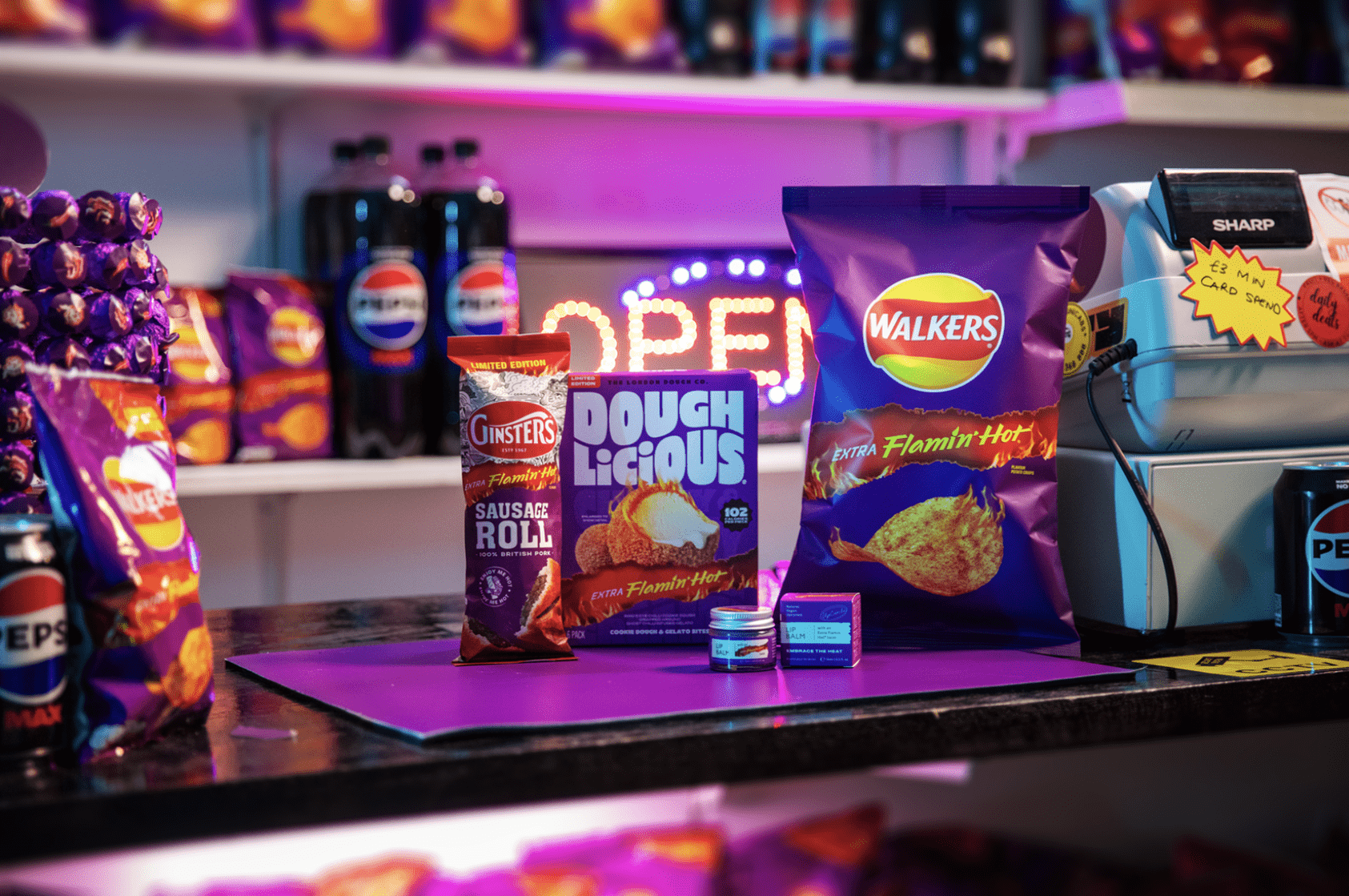
We’ve seen this firsthand. For PepsiCo’s Walkers brand, we fused real-time influencer engagement with TikTok culture for the “Temp Drop Shop,” turning cultural moments into immediate commerce opportunities.
CPG brands that treat live commerce as a campaign rather than a channel will outperform. It’s the new end-cap: a culturally tuned, high-urgency, high-visibility moment that can move thousands of units in minutes if operations are aligned.
Trend 3: Your loyalty program vs. personal AI
CPG brands have never owned loyalty. Retailers control most of the transactions, and retailer loyalty ecosystems (Target Circle, Walmart+, Amazon Subscribe & Save) dominate behavioral data.
In 2026, that tension gets sharper. Consumers start to experiment with personal AI agents to manage shopping lists, compare prices, switch between retailers, and automatically fulfill routine items. This creates both a threat and an opportunity:
The threat: Agentic commerce redirects loyalty
Personal AI may or may not care about your brand equity. But it will certainly care about price, availability, reviews, structured data quality, and whether your feed matches the user’s dietary or preference profile. If your product feed is incomplete or misaligned, you won’t even enter the conversation.
The opportunity: Orchestrated loyalty built on first-party signals
To counter the AI threat, CPGs must design loyalty systems that are:
- Data-light, not data-starved: Zero-party quizzes, packaging QR codes, content ecosystems, simple DTC experiences.
- Predictive: Triggered by consumption cycles (“you’re likely running low”), seasonality, and household behavior patterns.
- Retail media–integrated: Using 1P retailer signals for smarter targeting and more relevant replenishment offers.
- AI-fueled: Not just automating emails, but orchestrating offers, content, and timing across channels.
DEPT®’s work transforming NIVEA’s CRM into a predictive orchestration system, doubling engagement and reducing churn by 30%, shows how powerful this shift can be when content, data, and decisioning work as one.
In the age of personal AI, CPG loyalty becomes a race to stay relevant before the customer asks their assistant to look elsewhere.
Download DEPT®’s 2026 trends report
Explore 15 of the more impactful trends across AI, commerce, technology, and marketing.
What CPG leaders should prioritize in 2026
Here’s the short list of the levers that will drive margin, visibility, and growth next year:
- Fix product data governance before touching anything “AI.” If attributes, claims, and pricing aren’t structured and synced across retailers, you can’t win AI-driven discovery.
- Build “answer packets” for your top 10 SKUs. Standardized, verifiable, machine-readable facts are the new foundation of CPG discoverability.
- Reallocate part of trade spend toward retail media + AI testing. Because retailer AIs now control more shelf visibility than endcaps.
- Treat live commerce as both demand gen and cultural storytelling. Not a gimmick, but a strategic high-velocity sales driver.
- Use AI for loyalty orchestration, not discount distribution. Replace blanket offers with predictive, margin-positive engagement.
The coming year will reward CPG brands that operationalize these shifts, not just acknowledge them. Fixing product data pipelines, showing up credibly in live commerce, and building AI-ready loyalty systems aren’t “innovation projects”—they’re core commercial infrastructure for 2026.
The companies that modernize fastest will seize margin, visibility, and retail leverage. Those that don’t will watch AI assistants and retailer algorithms quietly reallocate their market share.
Our full 2026 Trends Report outlines the 15 forces shaping that reality and the plays we’re already helping brands deploy to get ahead of it.