

At CES 2026, the real story wasn’t the tech, it was how leaders are using it

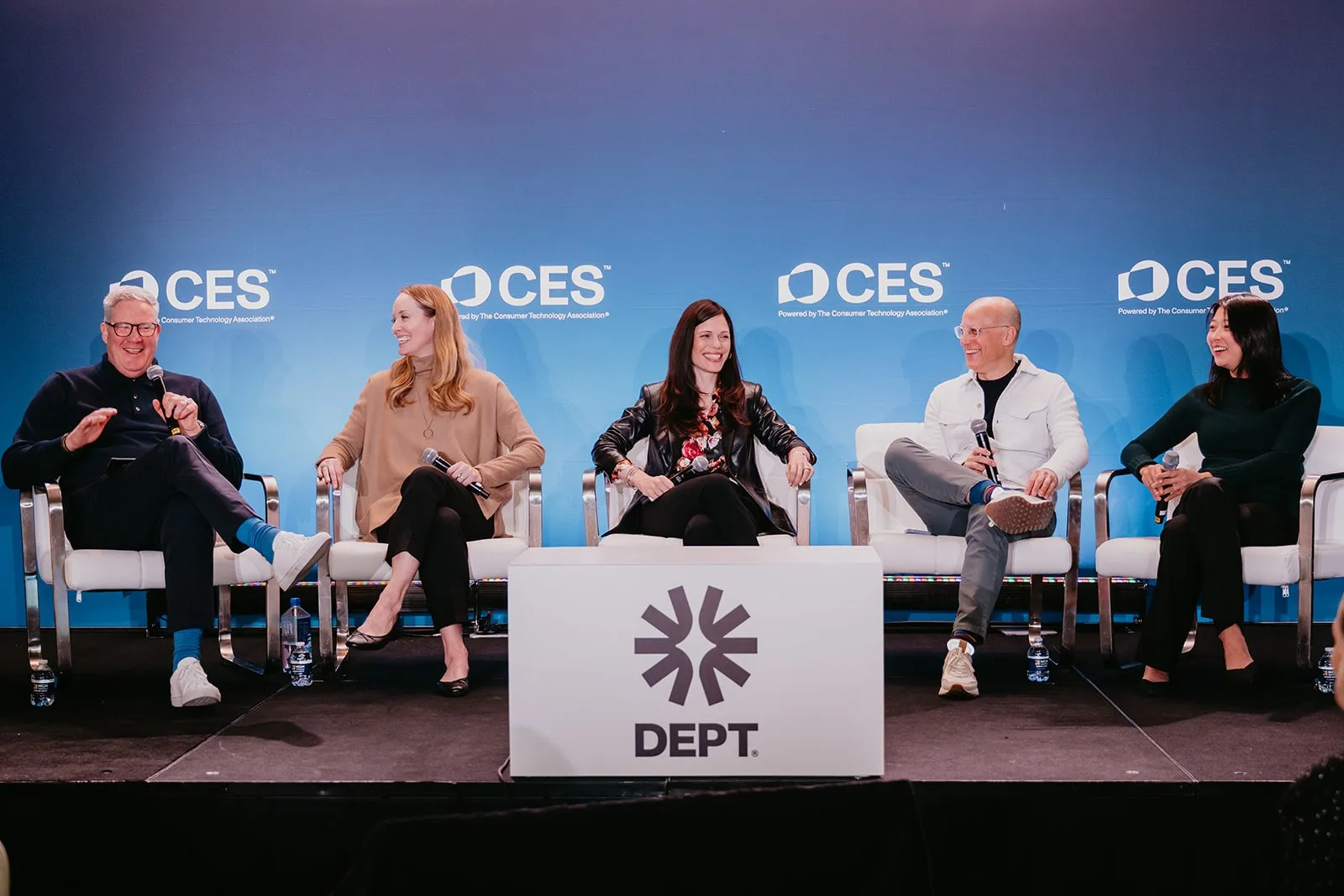
CES 2026 was loud in all the familiar ways. Robots ponged. Screens took over windshields.
Agents promised to think, act, and decide for us. The majority of the show floor seemed designed to answer the same question before it was asked: yes, AI can do that now.
And yet, some of the most interesting conversations weren’t happening in front of the biggest demos. They happened in panel rooms where no one showed a slide. In moments where the excitement about new capability gave way to a more sobering question: just because we can, should we?
As generative and agentic AI shift from novelty to infrastructure, the advantage belongs to those willing to experiment without waiting for permission, design for how people actually behave (not how funnels say they should), and rethink what brand relationships look like when intelligence is everywhere.
Three themes surfaced again and again. Together, they tell a clear(er) story about where AI is going next, and what will still matter when the booths are struck.
Experiment broadly
One of the clearest signals at CES 2026 wasn’t about a specific tool or platform, but about posture. Despite the undeniably futuristic feeling of the gadgets and gizmos and humanoid robots, in the grand scheme of technology, generative AI is still in its infancy. Nobody has perfected it, and there is infinite space to grow. That’s exactly why some of the most credible advice for leaders was deceptively simple: the more at-bats, the more home runs.
That means encouraging teams to tinker without overthinking. Building agents, breaking workflows, testing ideas that might not scale (or even work at all) just to understand what’s possible. In a moment when AI capabilities are evolving rapidly, waiting for best practices is a losing strategy. By the time consensus forms, the advantage is gone.
When Logitech CEO Hanneke Faber said, “Let 1,000 flowers bloom,” it wasn’t a call for chaos or unfocused innovation. It was an acknowledgment that in a landscape this new, no one knows which seeds will take. Progress doesn’t come from perfectly predicting the winner, but from planting widely, tending quickly, and scaling what shows signs of life.
The organizations pulling ahead aren’t betting everything on a single, pristine roadmap. They’re cultivating environments where experimentation is routine, failure is visible and instructive, and insights spread faster than org charts can slow them down. Some flowers won’t bloom. That’s expected. The risk is planting too few, not too many.
Forget the funnel, it’s about the consumer’s mindset
The “end of the funnel” conversation at CES wasn’t provocative because it once again declared the funnel dead. What felt different this time was the clarity around what replaces it: the consumer mindset.
Today’s customers don’t progress linearly. They oscillate. They browse when bored, research when anxious, delegate when overwhelmed, and buy when confident. Sometimes they want to linger with content, and other times they impulsively skip straight to a decision.
Trying to guide everyone along the same path creates friction because it ignores why and how they showed up in the first place.
This is where AI becomes meaningful. Not as a new step in the journey, but as connective tissue. When content, commerce, and CX are linked through AI, brands can respond to intent instead of forcing progression. This means depth when someone wants to dwell, and decisiveness when they’re ready to act.
The opportunity isn’t to rebuild the funnel with better tools or even more nuanced stages. It’s to let go of the idea that people need to be “moved” at all. The real work is designing systems that adapt to intent in real time, where content can become commerce, guidance can become action, and AI helps customers feel confident rather than managed.

An inside
look at CES 2026
Miss out on CES? Get the post-event scoop from our team members on the ground.
Defend, extend, upend
One of the more actionable ideas to emerge from our CES 2026 panel, “Agentic AI: Cutting Through the Hype,” came from Mandeep Bhatia, SVP of Global Digital Product & Omnichannel Innovation at Tapestry. While much of the conversation focused on the rapid evolution of agentic AI, Bhatia grounded the discussion with a familiar but timely framework: defend, extend, upend.
While not a new concept, in the context of agentic AI, it landed as a clear way for brands to stay competitive while the commerce landscape continues to shift.
Defending the fundamentals that still matter: brand, trust, and strong owned experiences. Extending into new platforms and consumer purchasing behavior. And upending how brand-consumer relationships are defined and cultivated.
The strength of this advice is its balance. It acknowledges that while agentic AI is changing how commerce works, long-term competitiveness still depends on knowing what to protect, what to expand, and where to challenge existing assumptions.
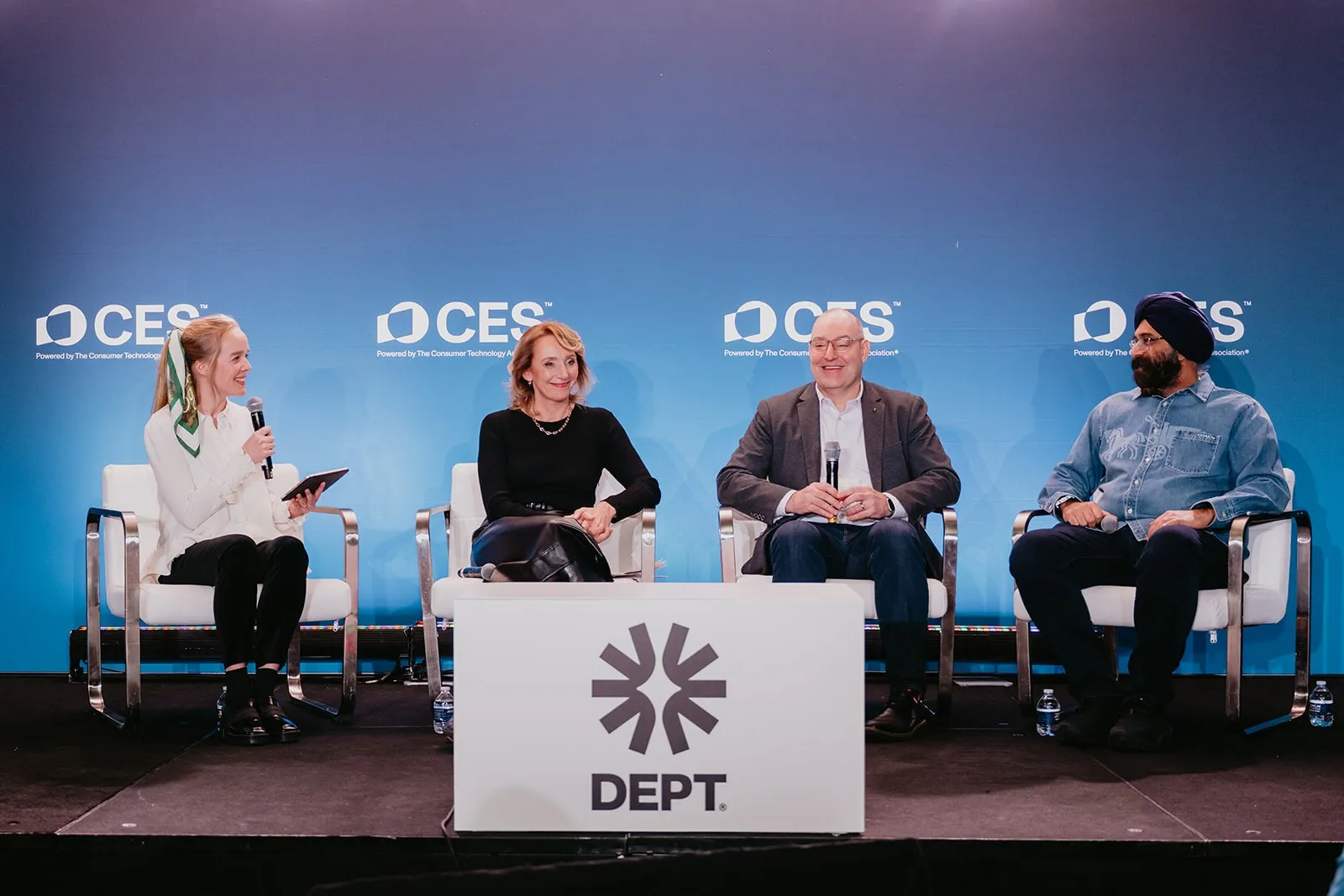
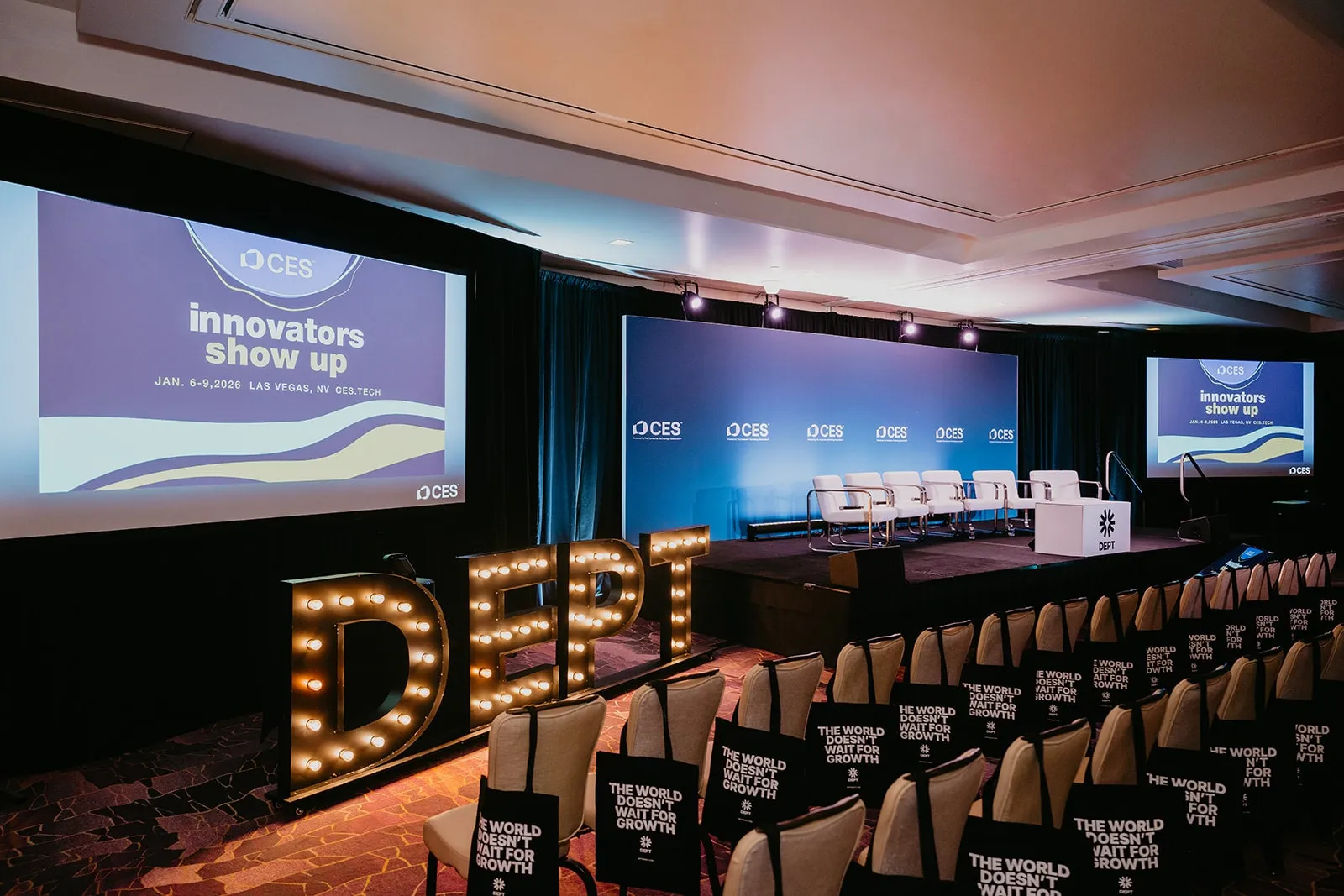
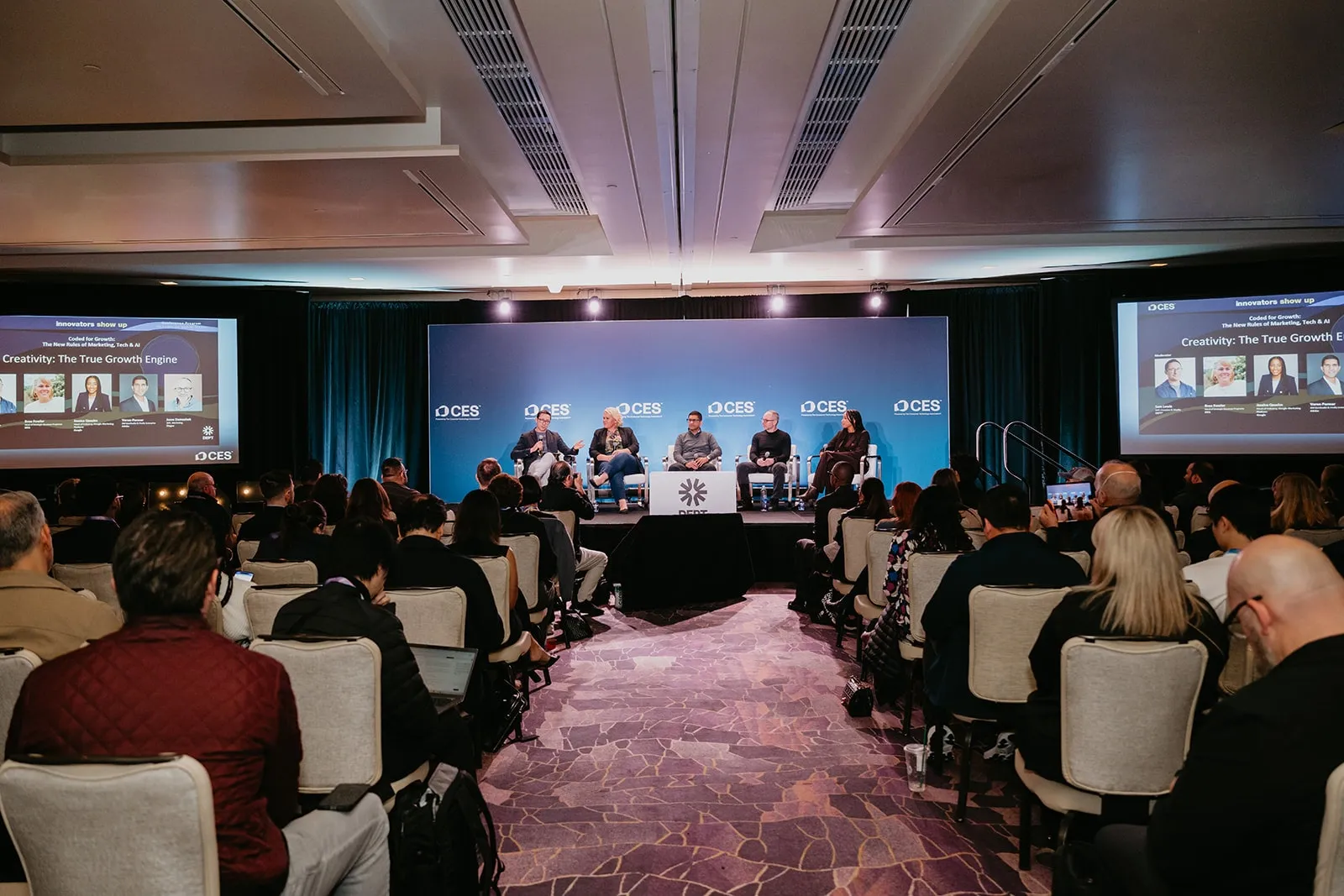
We loved our time at CES 2026 — listening, discussing, and pressure-testing ideas alongside leaders shaping what’s next. And if the week proved anything, it’s that the future won’t be built by louder technology, but by teams who know how to apply it with purpose.