
The future of brand collabs is less hype, more originality

Your favorite sneakers just teamed up with a cereal brand, your water bottle is wearing a high-fashion label, and your favorite makeup line smells like a chili-lime seasoning.
It’s the era of the brand collab, and these collabs are ubiquitous across industries, from food to lifestyle brands, beauty to music, and everything in between.
While consumers still respond to well-executed collabs, there are signs of fatigue, quality skepticism, and a shift towards authenticity and values that indicate novelty alone isn’t a guarantee of success.
Collabs have moved from exception to default. And that transformation has raised the bar for what constitutes a collab, when to pursue one, and how to build one that stands out.
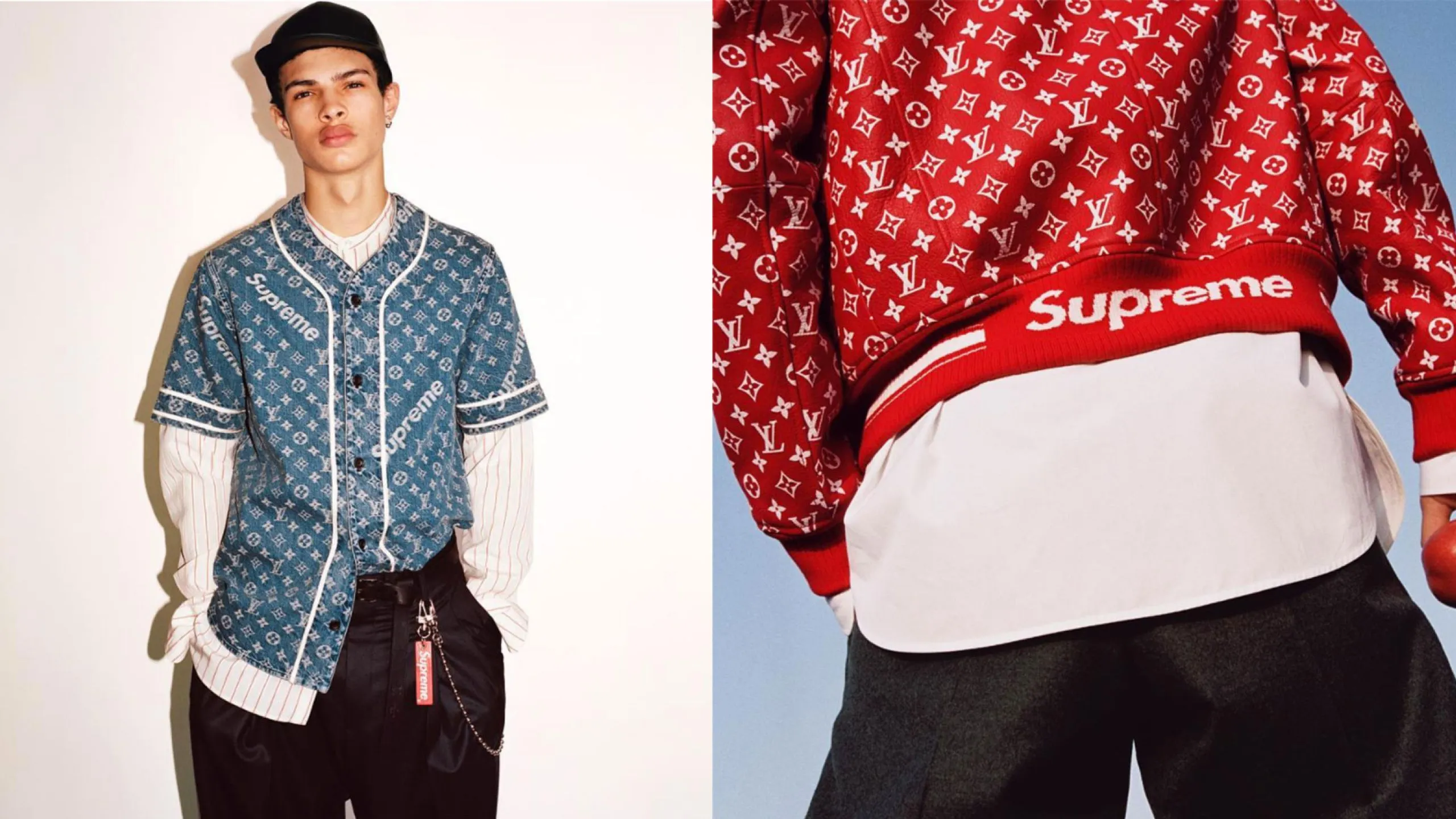
Supreme x Louis Vuitton
If collabs could have a favorite collab, this would be it. Launched in 2017 at Paris Fashion Week, Supreme x Louis Vuitton marked a cultural turning point in both fashion and branding.
At the time, it was exceptional in every way, from concept to product. Two highly sought-after brands. Two completely different universes. One shared line that represented a bold, creative risk for both brands.
Needless to say, this collab remains one of the most successful ever. It helped kickstart the collab craze that we’re still experiencing nearly a decade later. But whether its impact can be replicated remains to be seen.
Why brands can’t quit collabs
There’s a reason collabs became so popular in the first place. When done right, they still deliver. A good collaboration can:
- Introduce a brand to new audiences, leveraging each partner’s unique fan base or customer segment.
- Generate cultural buzz from limited-edition drops that feel like events to shareable social-media moments.
- Deliver a sense of novelty or surprise. Unearthing unexpected pairings can flip consumers’ expectations and create new associations.
- Enable a brand to act on a low-risk/high-reward opportunity. Because collaborations are usually limited-release products, they allow brands to experiment without committing deeply to the outcome.
Collabs excel in a media environment that rewards “newness” and constant novelty. In a world driven by algorithms, where brands live or die by social buzz and scroll-by attention, collabs are fast, efficient, and effective.
But too often, collabs end up as “creative convenience.” Partnerships become safe exercises in brand-safe remixing, rather than risk-taking works of creation.
Even AI-generated “dream collabs” from social media audiences that have gained traction online, like 2023’s IKEA x Patagonia imagery, have only done so because they represent a level of creative risk that’s becoming scarcer IRL.
We end up with a proliferation of special-edition product lines, all combining existing brand IP, visual codes, or cultural associations. But rarely do we see new worlds, new narratives, or stand-alone IP emerge from them.
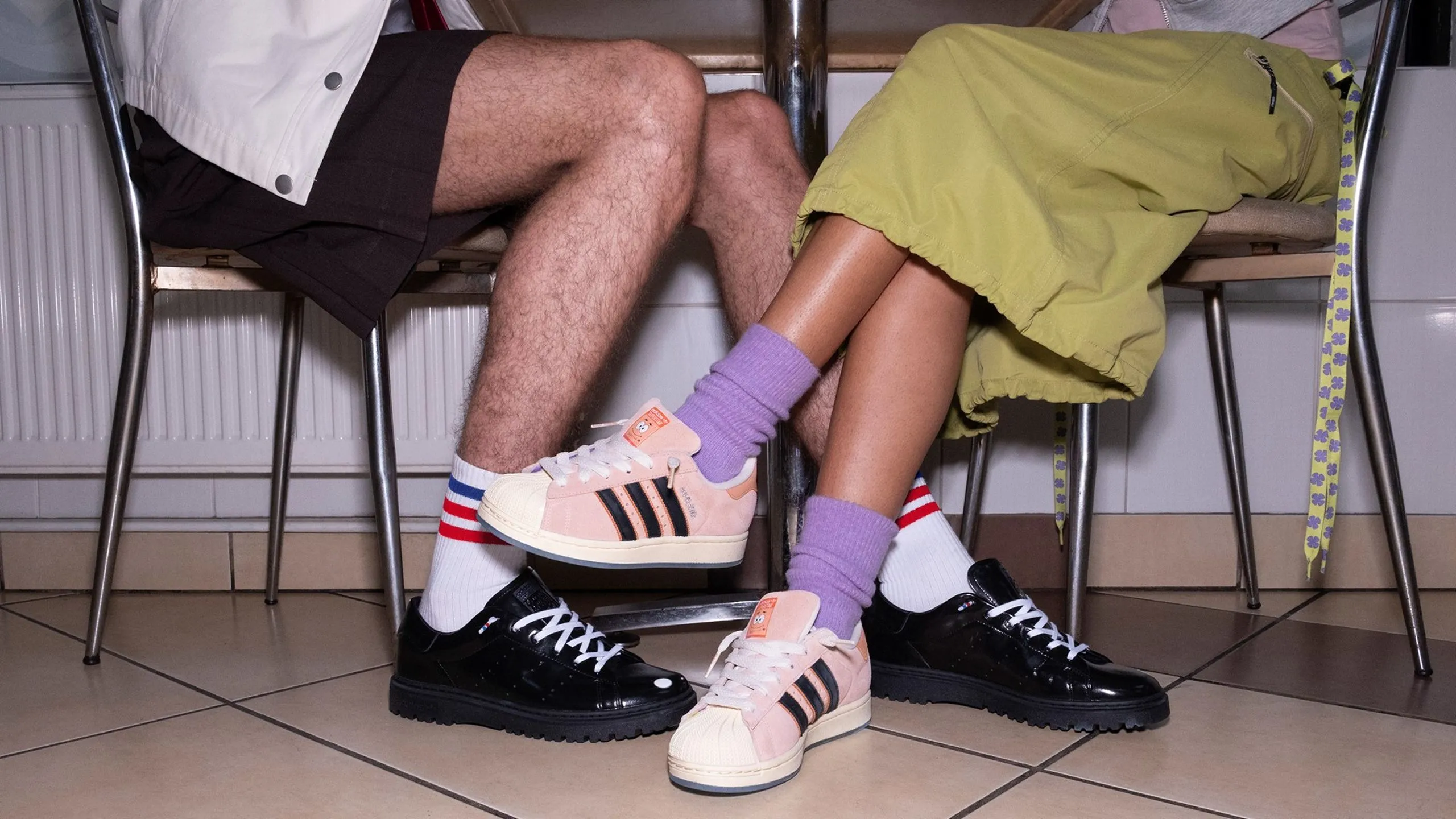
SpongeBob x Adidas
It’s all too easy for a collab based on a popular character IP to fall flat. Why? Because nine out of ten times, the final product of a character-based collab turns out to be little more than a brand’s existing product, just featuring a character’s face.
Fortunately, that’s exactly what the SpongeBob Squarepants x Adidas collab DIDN’T do.
Instead of playing it safe and slapping SpongeBob’s face on one of their existing sneaker designs, Adidas reimagined SpongeBob’s actual shoes through the lens of their iconic Three Stripes with the help of designer Stan Smith Freizeit.
The final results, released in November 2025, represent the perfect tribute to the beloved Nickolodeon show. From the red & blue lace caps to the shiny white highlight on the toe, Adidas captured details of SpongeBob’s squeaky black shoes consumers didn’t even know they knew so well.
As collabs abound, originality becomes scarce
There is a subtle but essential distinction between creativity and originality. Creativity can be recombinatory, an unexpected blend of two known things. Originality, however, demands something new. A voice, a concept, or an identity that didn’t exist before.
Most brand collabs, structurally, fall into the first category. They rely on familiar marks, logos, and archetypes from each brand, enclosing the creative act within the comfort zone of what has already succeeded. That means low risk for brands, but also limited upside.
The cost of this is cultural saturation and, eventually, creative fatigue. As one recent marketing analysis argues, “too many brand collabs happen just because they can, not because they should.”
As a result, the growing ubiquity of collabs has exposed some of their hidden costs.
- Originality gets squeezed out. As the decision to pursue a collab becomes the default strategy (rather than a bold, occasional gamble), brands may feel less pressure to invest in building their own IP, stories, and identities.
- Brand distinctiveness blurs. Brands that constantly move from collaboration to collaboration risk diluting their identity rather than reinforcing it. As consumers lose track of what the brand stands for, it begins to blend in with the rest of the pack.
- Temporary hype replaces lasting value. Many collabs operate on drop-culture’s quick-burn model: sell out fast, resell on secondary markets, then fade. What remains isn’t a legacy or a story, just expired nostalgia and resale receipts.
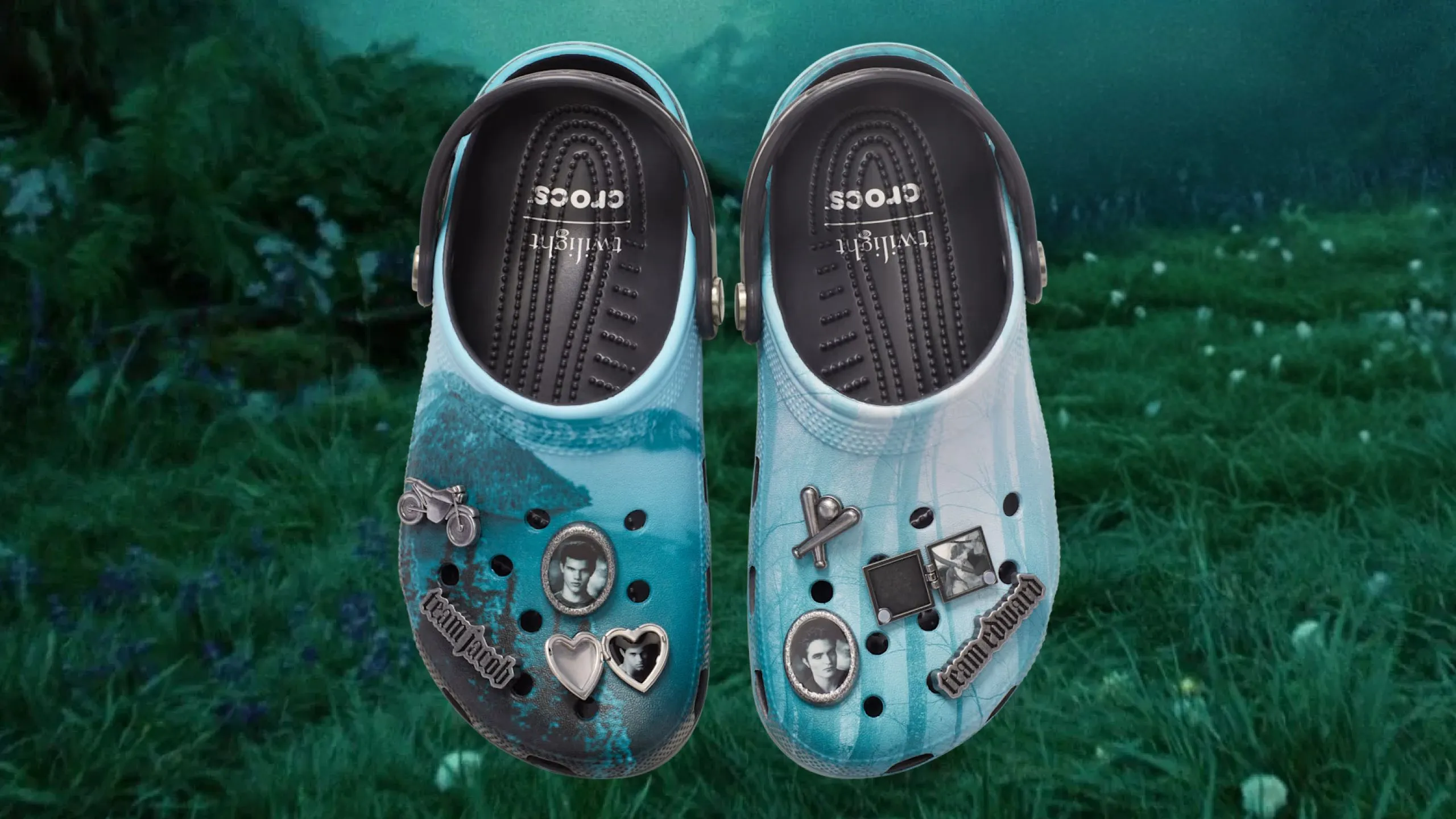
Twilight x Crocs
From the day it was announced in November of 2025, audiences were thrilled at the prospect of Twilight x Crocs. Unlike Supreme x Louis Vuitton, however, this was a collab based almost entirely on the temporary hype of novelty and nostalgia.
As a movie franchise and a footwear manufacturer, these brands only had one thing in common: Both Twilight and Crocs built their success, at least in part, on a “so bad it’s good” reputation among consumers in the late 2000s.
Given this brand perception, it should be no surprise that the idea of the collaboration had a greater impact than the actual product. Hundreds of listings for the classic Crocs dip-dyed with Twilight’s infamous moody, blue-filtered forest have already hit resale markets… and it’s only a matter of time before Twilight and Crocs’ absurdist tryst fades from the cultural psyche.
It’s not the end, it’s a new beginning
So, does the growing fatigue among consumers mean that collabs are going away for good?
Absolutely not.
Collabs can still be highly valuable for brands, but the bar for consumer expectations has been raised.
Out of the sea of collabs we’ve witnessed in recent years, the ones that have emerged as the most enduring tend to share certain qualities. They:
- Begin with a clear purpose, not just the desire to “do something.” According to Little Black Book, a collab should start with the question: Do we actually need this?
- Respect authenticity: the pairing should make sense not only commercially but also culturally. The aesthetic, values, and creative sensibility of both brands should align meaningfully.
- Offer some lasting payoff beyond the drop: a new aesthetic, a revived design language, or even the beginnings of a new sub-brand or narrative universe.
When that happens, collabs can still be generative. They can act as experiments (essentially low-cost, high-visibility probes into what resonates) and occasionally produce something that deserves to live beyond the hashtag or the hype cycle.
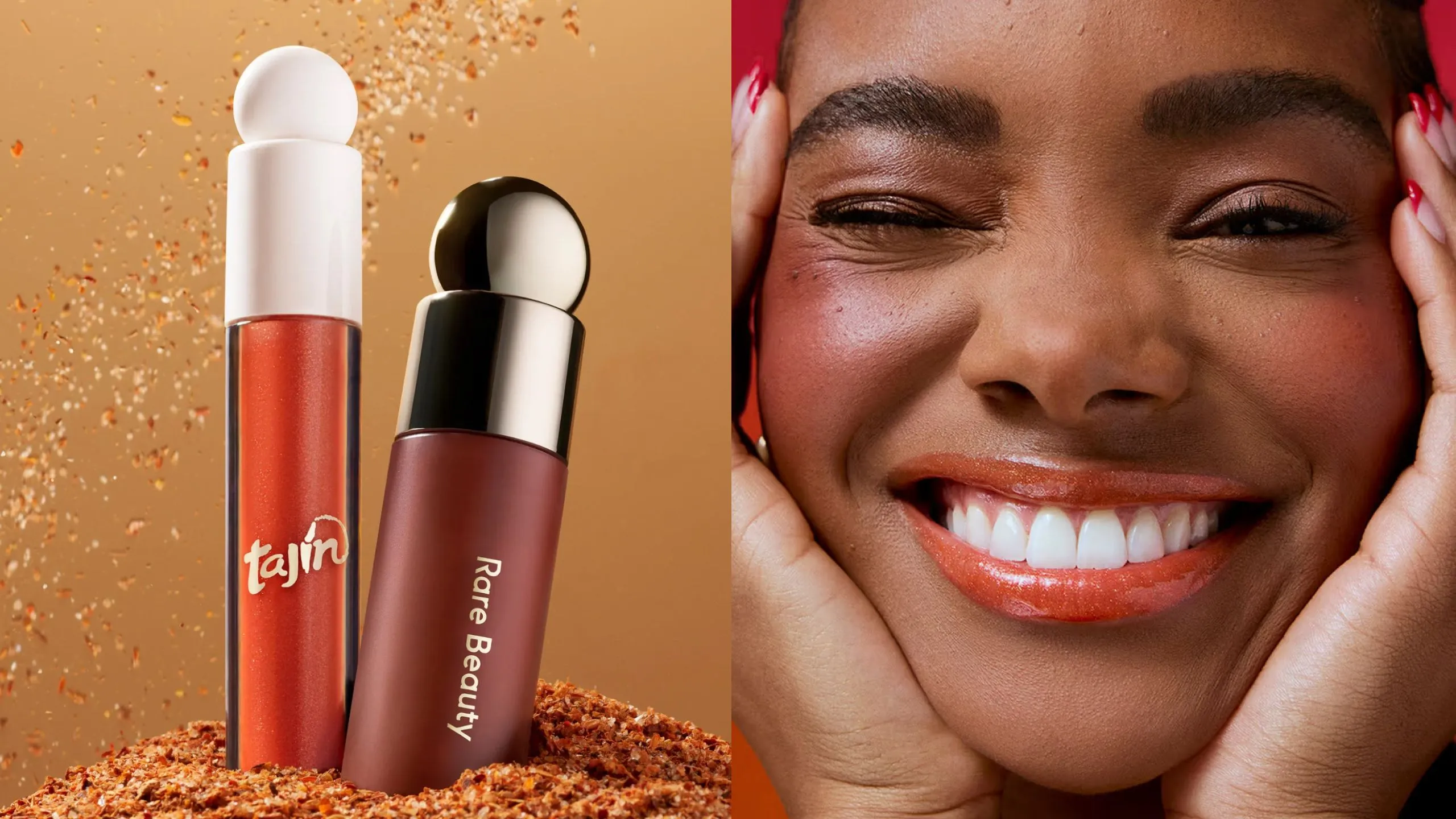
Rare Beauty x Tajín
Combining luxury makeup with a zesty seasoning sounds like a basis for a collab as absurd as Twilight x Crocs. But the reality of the Rare Beauty x Tajín collab showed it was clever, thoughtful, and meaningful.
The collab was the brainchild of Selena Gomez, who founded Rare Beauty with the mission of promoting self-love and inclusivity in the makeup industry. The decision to introduce Tajín to that world was inspired by her Mexican heritage, a culture in which Tajín is a beloved kitchen staple.
“This collab is a celebration of what makes us unique—our culture, our energy and the moments that bring us together,” Gomez said, “Just like Tajín, these shades bring boldness, warmth, and a spark of joy to every occasion.”
The limited-edition product line was one of the best collabs of the year, selling out on Rare Beauty’s website just days after its launch in August 2025. It demonstrated a clear purpose; came from a place of deep authenticity; and sets a precedent for a host of new product ideas, such as a line of Rare Beauty products inspired by household staples across a range of cultures.
The case for a more original future
If the collab wave has taught us anything, it’s that remixing is easy, but building is hard. The brands that will stand out in the next decade may not be the ones doing the most collabs, but the ones investing in their own creative foundations.
Imagine a world where collabs are used as testing labs: Experiments to refine a new aesthetic, or to gauge audience reaction, but not as ends in themselves. That is, creating their own characters, design languages, brand voices, where the value lies not in the temporary “drop,” but in the long-term culture.
Because if collabs teach us one thing, it’s that real creativity doesn’t always come from fusion. Sometimes, it comes from the courage to take the risk of starting something entirely new.