In defense of AI slop (And why bad art might be good for creativity)

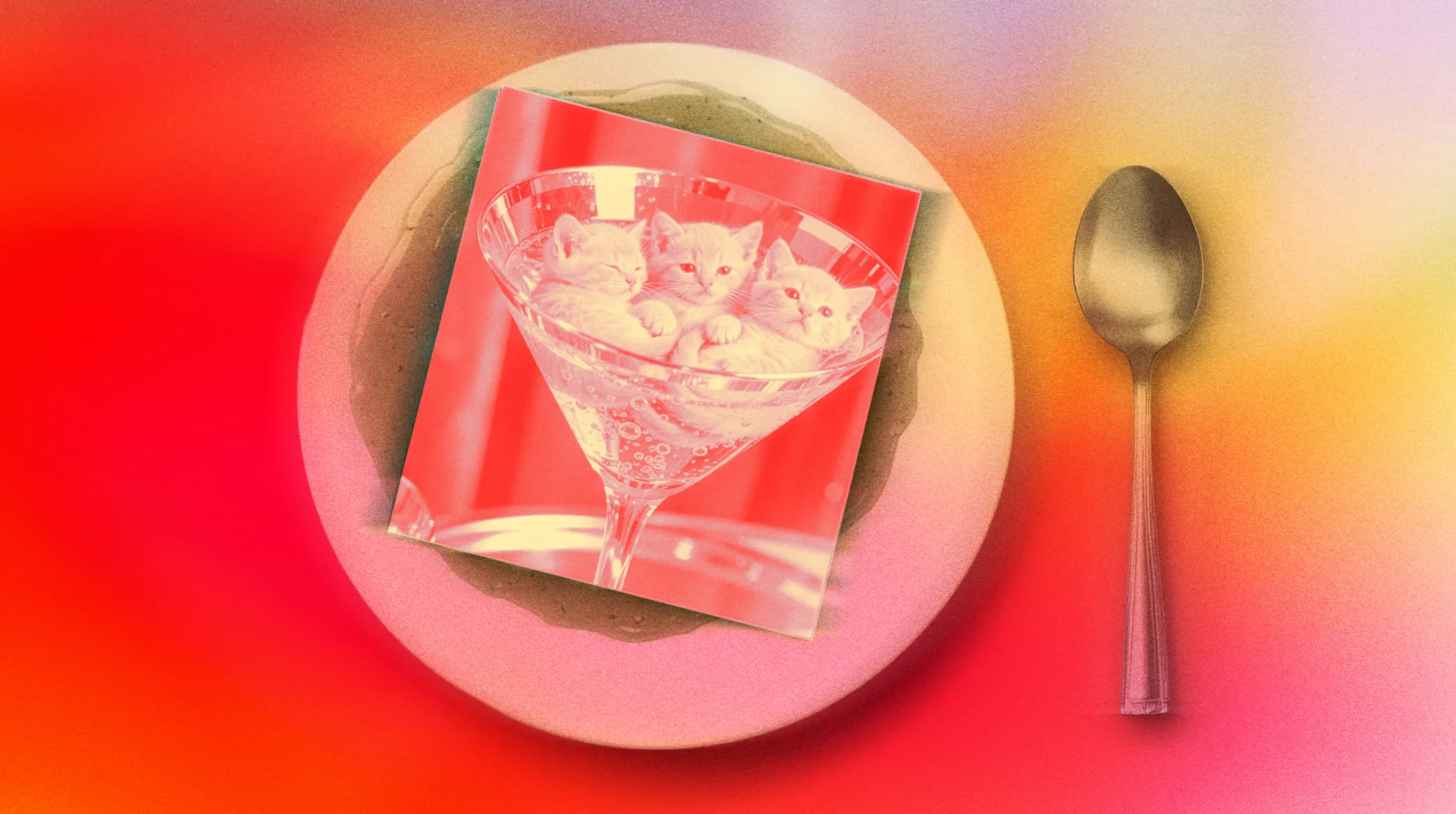
It’s been two years since we watched Will Smith attempt to eat spaghetti, and since then, our feeds have been an all-you-can-eat buffet of “AI slop.”
From the delightful to the downright disastrous, questionable generative content has flooded the corners of the internet.
At DEPT®, we use GenAI to help creative teams bring ideas to life faster, smarter, and in ways they never could before. So it’s only natural we care about the reputation of these tools. The rise of AI slop makes GenAI look broken. When in reality, it’s just new.
So, is AI slop digital tripe or something more? And what could possibly be good about something that looks so bad?
A recipe for slop
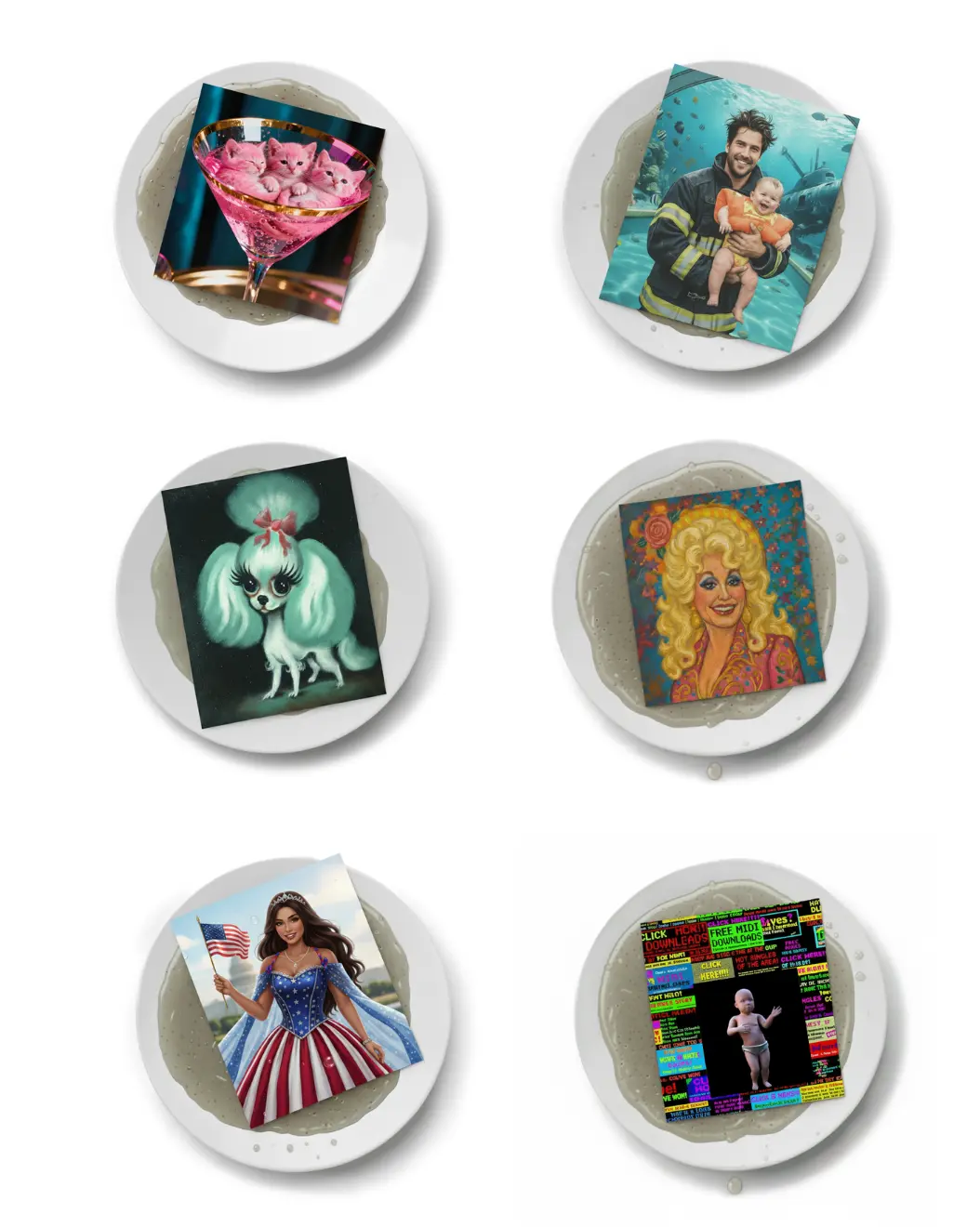
AI slop comes in many forms, from goofy and garish to unsavory or even harmful. But most of it isn’t an AI failure. It’s a reflection of the people using it. Like any new creative tool, it invites curiosity and chaos, resulting in a mixed output of too-sweet kitsch, over-polished fakery, and the rare toxic batch meant to mislead or harm.
But the majority of AI-generated visuals?
They’re people experimenting, learning, and expressing themselves, imperfectly but sincerely. It’s messy, earnest, and human, because that’s how art has always been.
Bad art has always been part of being human. And of course, taste is subjective. What one person calls hideous, another hangs proudly on their wall. Velvet Elvis. Motivational posters. Dogs Playing Poker. AI doesn’t change that. It just makes the process faster, louder, and more visible.
Slop as a step, not the destination
Every creative medium goes through an awkward stage. The engineers who invent new tools are often their first (and clumsiest) users. Few computer scientists have studied art theory, and few classically trained artists are deep in AI experimentation.
Early desktop publishing gave us Photoshop disasters and clipart monstrosities. Early web design brought clashing neon text, blinking marquees, and impossible-to-navigate homepages. Early 3D graphics? The dancing baby.
AI is no different. We’ve barely even entered the adolescence of generative creativity, AKA full of potential, still figuring out its style. Ugly art isn’t new. It’s just easier to make now.
This is temporary as tastes evolve and tools improve. Perhaps engineers will develop an artistic eye or get upstaged by those who do. Many of today’s slop-creators will look back and cringe (maybe even delete) their early posts. And yet, years from now, we may feel nostalgic for the bad taste of this era. Clunky Geocities sites, glitchy ’90s CGI, and misaligned halftone comics were once derided but are now celebrated as the aesthetics of their time.
What to do about the current flood of AI slop?
A few recommendations:
- Try it, you might like it. AI slop can be tacky, but tacky can also be fun, even iconic. John Waters built his career on bad taste and kitsch. Dolly Parton turned “too much” into timeless charm.
- Look for an underlying message. The AI-generated Pope in a Balenciaga puffer jacket? Tech moguls as medieval monarchy? A new Star Wars movie trailer “directed” by Wes Anderson? They look like slop but work as satire, delivering cultural critique wrapped in absurdity. Often, the result is like a cult classic movie in that so bad it’s good.
- Be wary. Most slop is harmless, but some is weaponized: scams, fake fundraisers, deepfakes designed to mislead. Bad art becomes dangerous when it masquerades as truth.
- Don’t panic. Is the world ending because of bad art? No. Most people sharing slop are simply marveling at the magic of generative AI. They’re curious, untrained, and experimenting. History reminds us that what we dismiss as slop today could be tomorrow’s masterpiece. Van Gogh was dismissed as sloppy in his time. So was Basquiat. So was Frida Kahlo. So were countless others. Let’s keep an open mind.
- Make something better. The best antidote to slop isn’t outrage; it’s creation. If AI slop annoys you, use it as fuel. Partner with AI to craft something more to your taste. Every drop of beauty improves the flavor profile of GenAI art.
A toast to slop
Slop has always been part of art, and part of learning, experimenting, and being human.
The rise of AI slop doesn’t mean GenAI art is a poor medium; it means creativity is becoming more democratic. It may be ugly, and some of it is dangerous, but AI slop is proof that people want to create.
So maybe AI slop isn’t a problem to solve. Perhaps it’s a sign that art, in all its messy, garish, ridiculous glory, is alive and well.
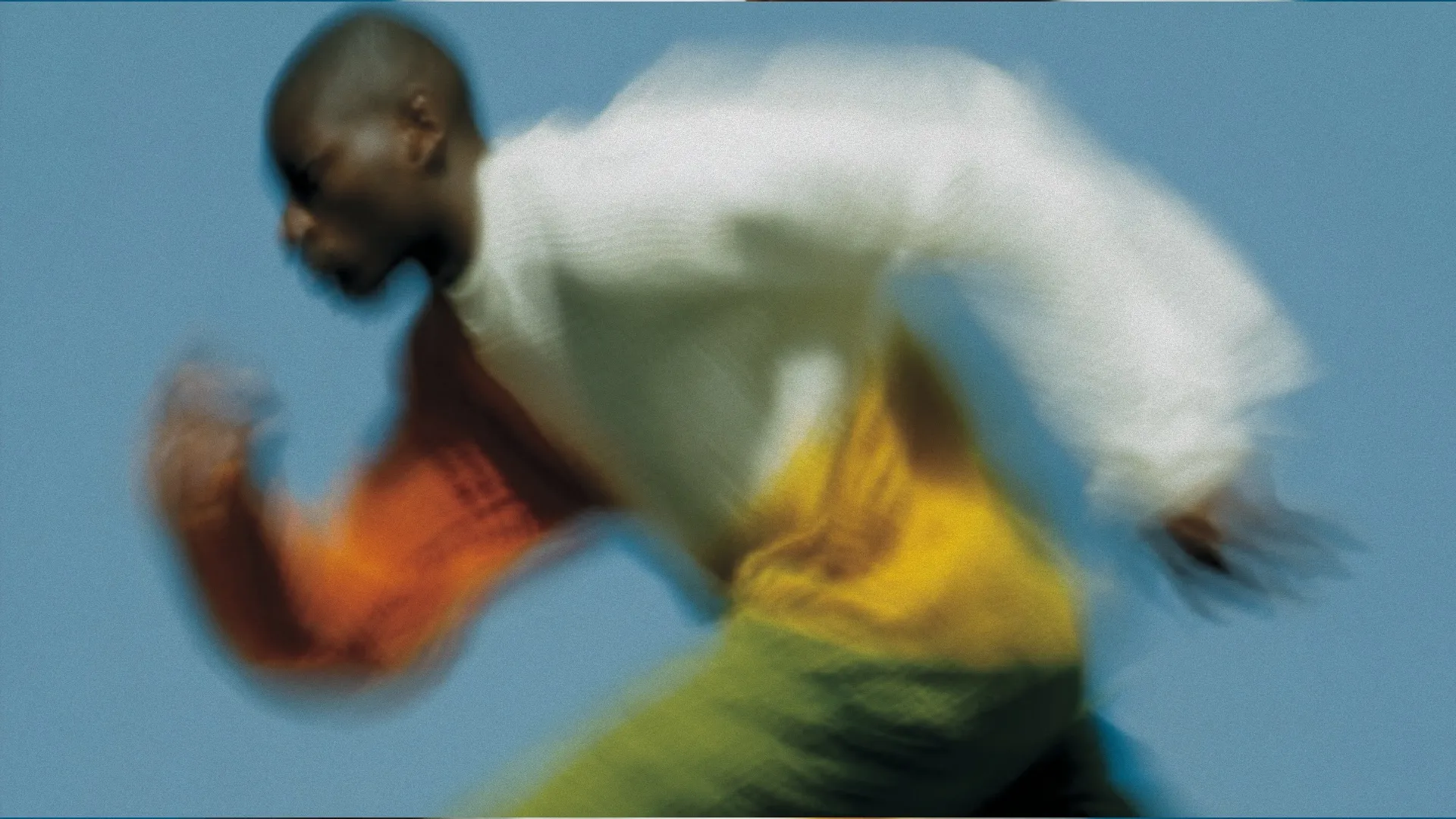
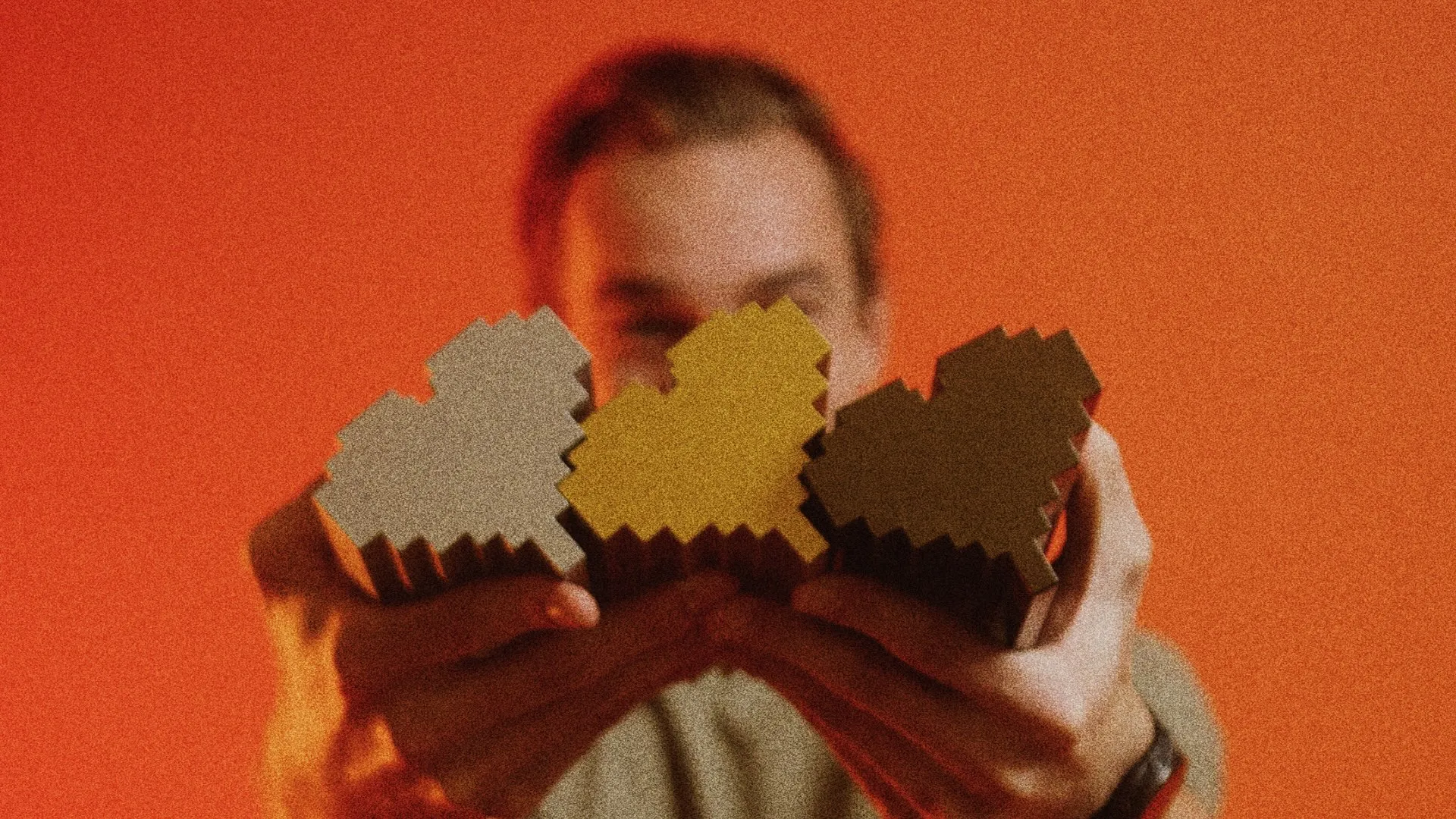
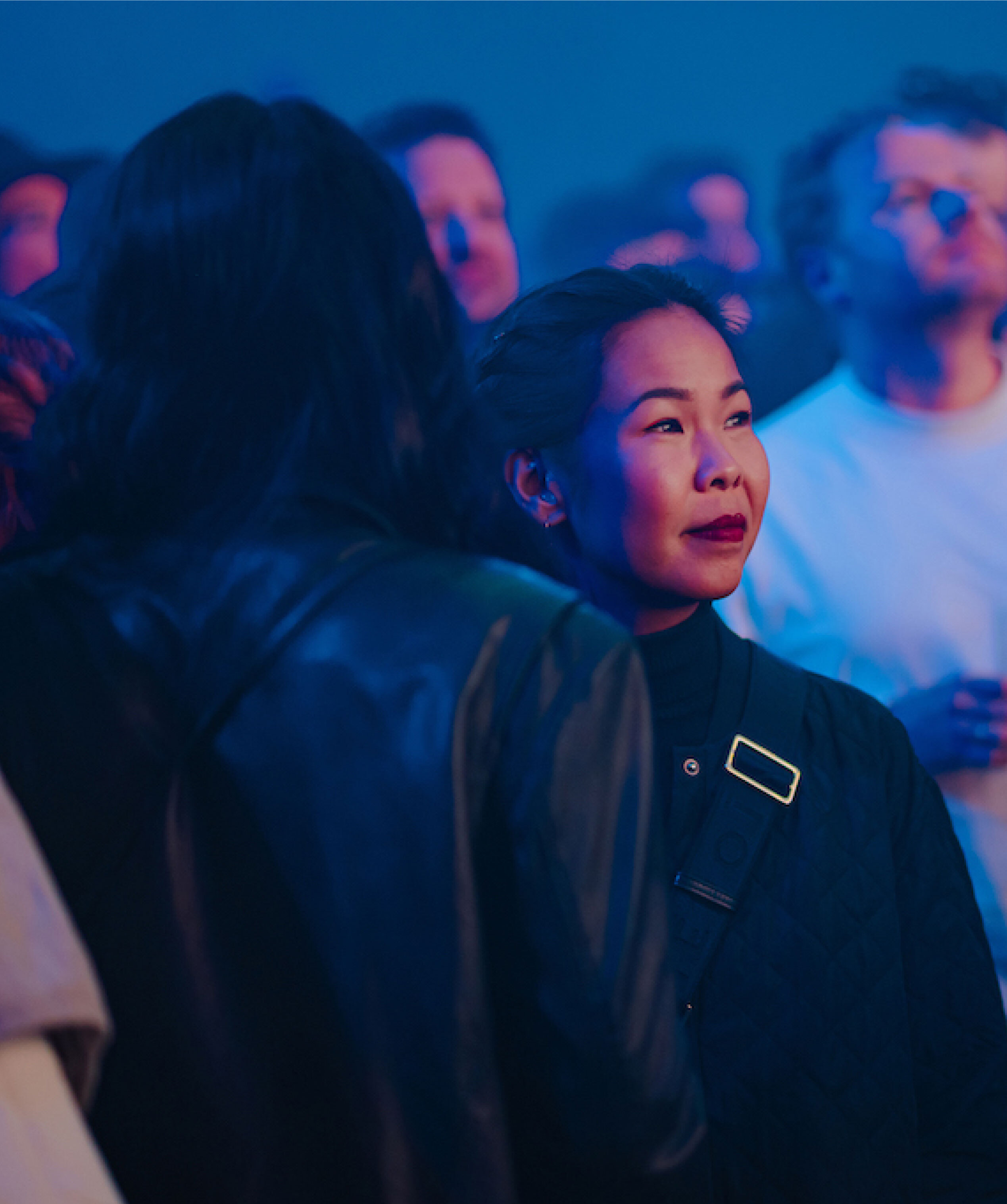
All images in this article are AI-generated by the author, except for the dancing baby.