
How digital natives are harnessing technology to restore heritage languages


Before the internet, few brands could reach a global audience.
Today, almost every brand can.
The digital world has created a shared space where anyone can communicate across oceans, cultures, and even languages. It’s no surprise, then, that English has become a global lingua franca, spoken by 1.5 billion people, most as a second language.
However, as a force of global homogenization, the price of the digital world is steep. Linguists estimate that half of the world’s approximately 7,000 languages could vanish by 2100.
Now a countertrend is emerging. As younger generations search for authentic communities online, some have formed communities so niche that they’re virtually unintelligible to all but those within them.
But that’s not because these communities are speaking new languages, it’s because they’re speaking old ones.
A surprising number of digital natives are harnessing the power of their online upbringings to restore, protect, and preserve languages that were once on the brink of extinction.
The result is not only a redemption for technology but a powerful demonstration of how niche communities are the new engines of social change, capable of driving real impact in both the digital and physical worlds.
Restoring Gaelige with a social makeover
When the Belfast-born rap trio Kneecap took the stage at Glastonbury 2025, they made history for a jaw-dropping performance given in Irish Gaelic, a heritage language that has suffered a steady decline following centuries of British occupation.
As a result of what’s been dubbed “The Kneecap Effect,” the unapologetically political band has accomplished something that decades of Irish school curricula have failed to do: They’ve made speaking a dying language aspirational for an entire generation of young Irish people.
On TikTok, #Gaeilge has accumulated over 120 million views and is filled with creators who are building followings by posting content trí Ghaeilge (through Irish) that spans everything from fashion hauls and makeup tutorials to cooking and farm life. Through the power of #Gaeilge, people learn the language through “incidental exposure,” by scrolling, not studying.
This is subtly radical. Traditional language revival efforts often focus on restoring languages to their true historical form. The trouble with this, however, is that most heritage languages don’t translate to the modern world.
By contrast, the Kneecap Effect recontextualizes Gaelige in the lifestyles and experiences of today’s youth. The band and the community of young Irish speakers they’ve fostered online understand that languages are living, evolving entities. For them, new words, slang, and syntax are inevitable—innovation that is itself a form of resistance.
“This creative process is a form of self-expression and community-building, defying traditional, purist notions of language,” as one linguist explained. “It’s also a declaration: we refuse to assimilate into linguistic monoculture, but we also refuse to be trapped in the past.”
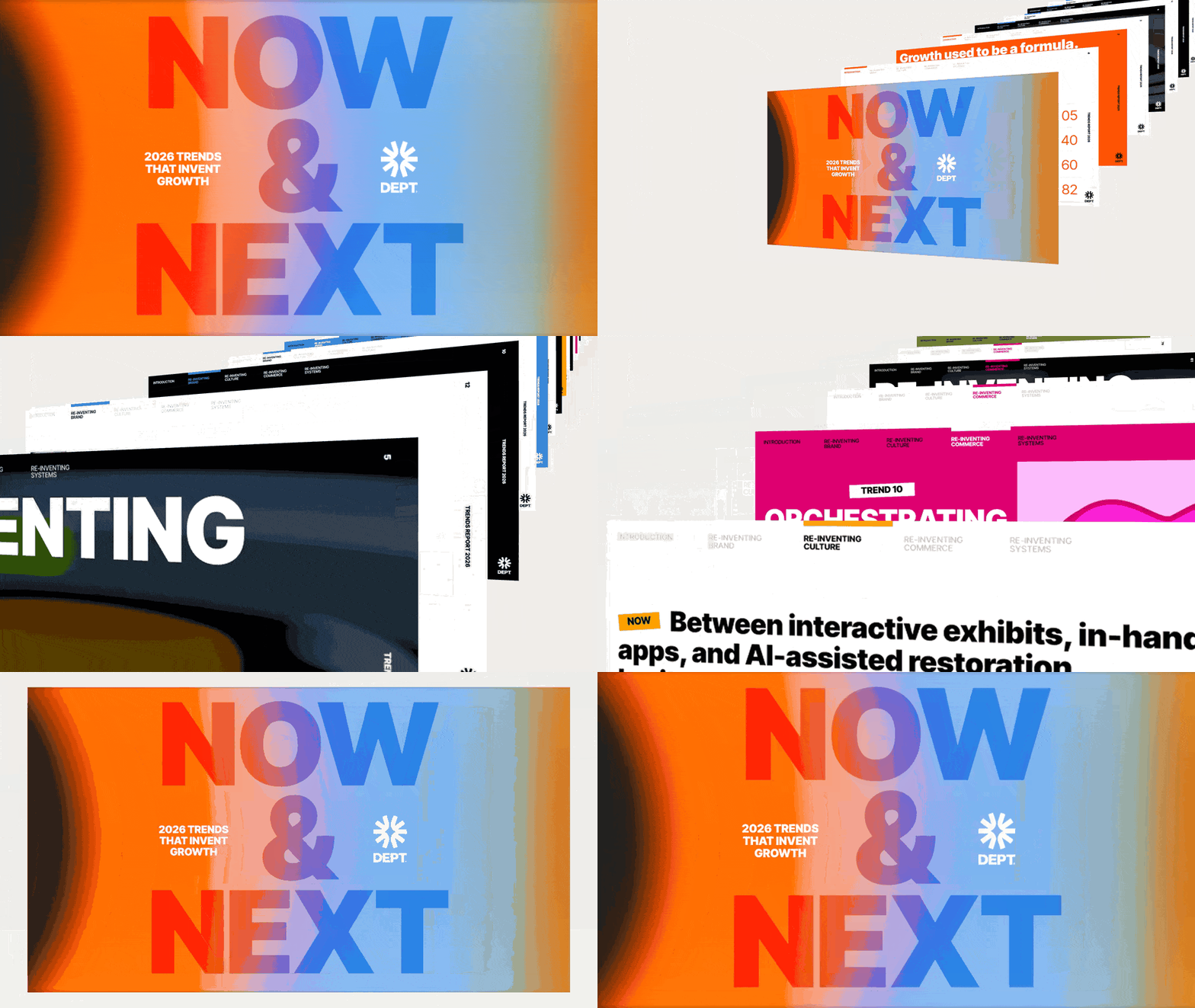
DEPT® TRENDS 2026
The future belongs to the builders who think like inventors. Dive into the 15 trends we predict will invent growth in 2026.
Protecting Indigenous digital sovereignty
Gaelige isn’t the only heritage community thriving on TikTok: #IndigenousTikTok and #NativeTikTok have amassed 605.5 million and 3.4 billion views, respectively.
During the short-lived US TikTok ban, Indigenous creators on the platform raised the question of whether or not the US’s tribal sovereignty policy for Indigenous nations applied to digital sovereignty as well.
While the TikTok ban proved to be brief, the debate around Indigenous digital sovereignty has since extended to data and AI. As global corporations rush to feed AI systems with diverse language data, Indigenous voices risk becoming the next form of raw material.
In 2021, Ray Taken Alive, a member of the Lakota nation, found out that recordings of his grandmother, a renowned Lakota teacher and speaker, had been copyrighted by the Lakota Language Consortium (LLC), a nonprofit founded by two European linguists that has allowed the recordings to be used to train LLMs.
Efforts like the LLC often claim an altruistic mission, citing inclusivity, accessibility, and preservation. But Indigenous technologists see their actions as an example of “algorithmic colonialism,” the process by which Indigenous data, art, and language are mined to train technologies that primarily benefit outsiders.
“We [as Indigenous people] can’t let our language become a dataset someone else uses to make a profit,” Ray Taken Alive said during an interview on the podcast Code Switch. “We have to build the servers ourselves.”
These words capture the essence of the movement for Indigenous data sovereignty, which has spread throughout the world:
- In Canada, Inuit developers are designing AI speech models that remain fully under Inuit control.
- In Finland, Sámi technologists are using blockchain to manage consent for cultural recordings.
- In New Zealand, Te Hiku Media, a Māori-run organization, is pioneering an Indigenous-led AI initiative that trains language models using data owned entirely by the Māori community.
Preserving Nyiyaparli through gaming
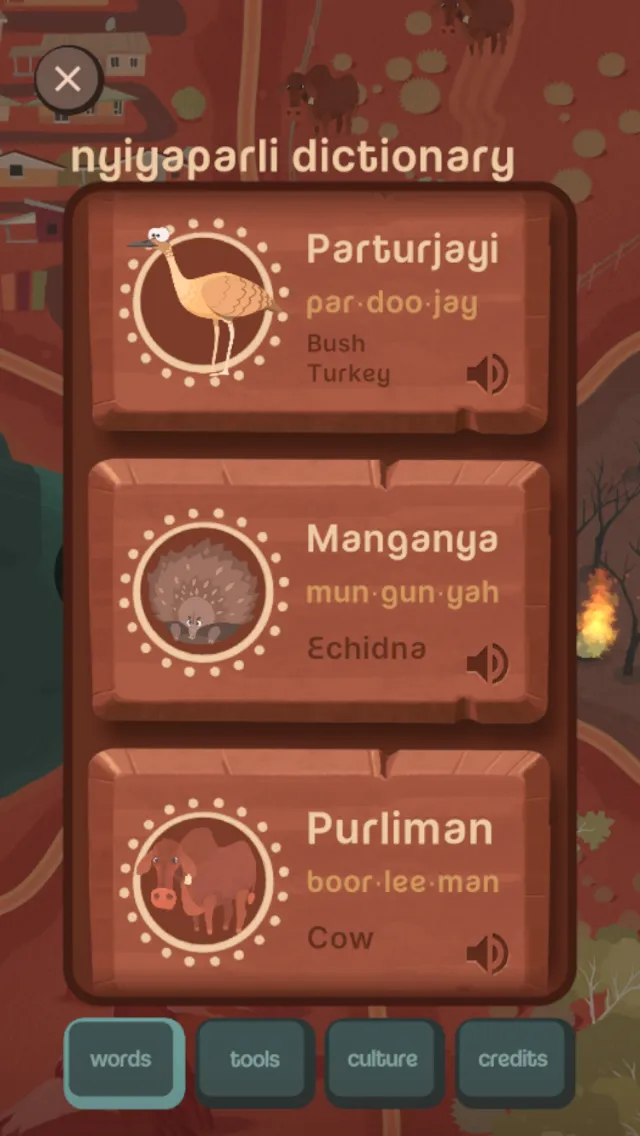
At DEPT®, we believe that authentic cultural representation demands deep collaboration, not external interpretation. To that end, we embraced a community-led co-creation process when we helped the Nyiyaparli Living Language Project (NLLP) build a mobile-first language learning game designed to preserve Nyiyaparli and keep it alive forever
Despite being part of a culture over 41,000 years old, only 11 fluent Nyiyaparli language speakers remained when we began our work together. By the time it was completed, that number had dwindled to eight—a sobering reminder of the importance of the NLLP’s mission.
Unfortunately, the Nyiyaparli people aren’t alone. Many heritage languages risk extinction due to the loss of aging community leaders, who are often the last strongholds of vast cultural wisdom. A crucial part of language preservation, therefore, is to pass this knowledge on to younger generations.
When native Hawaiians faced the loss of their language in the 1980s, for example, a grassroots movement to revitalize ‘Ōlelo Hawaiʻi found monumental success by focusing on childhood education and the creation of independent schools that fully immersed students in the language.
Fast forward to today, the NLLP recognized the incredible educational opportunity that gaming presents. Gen Alpha has been referred to as the Roblox Generation for good reason: 94% of children aged 0-14 play video games.
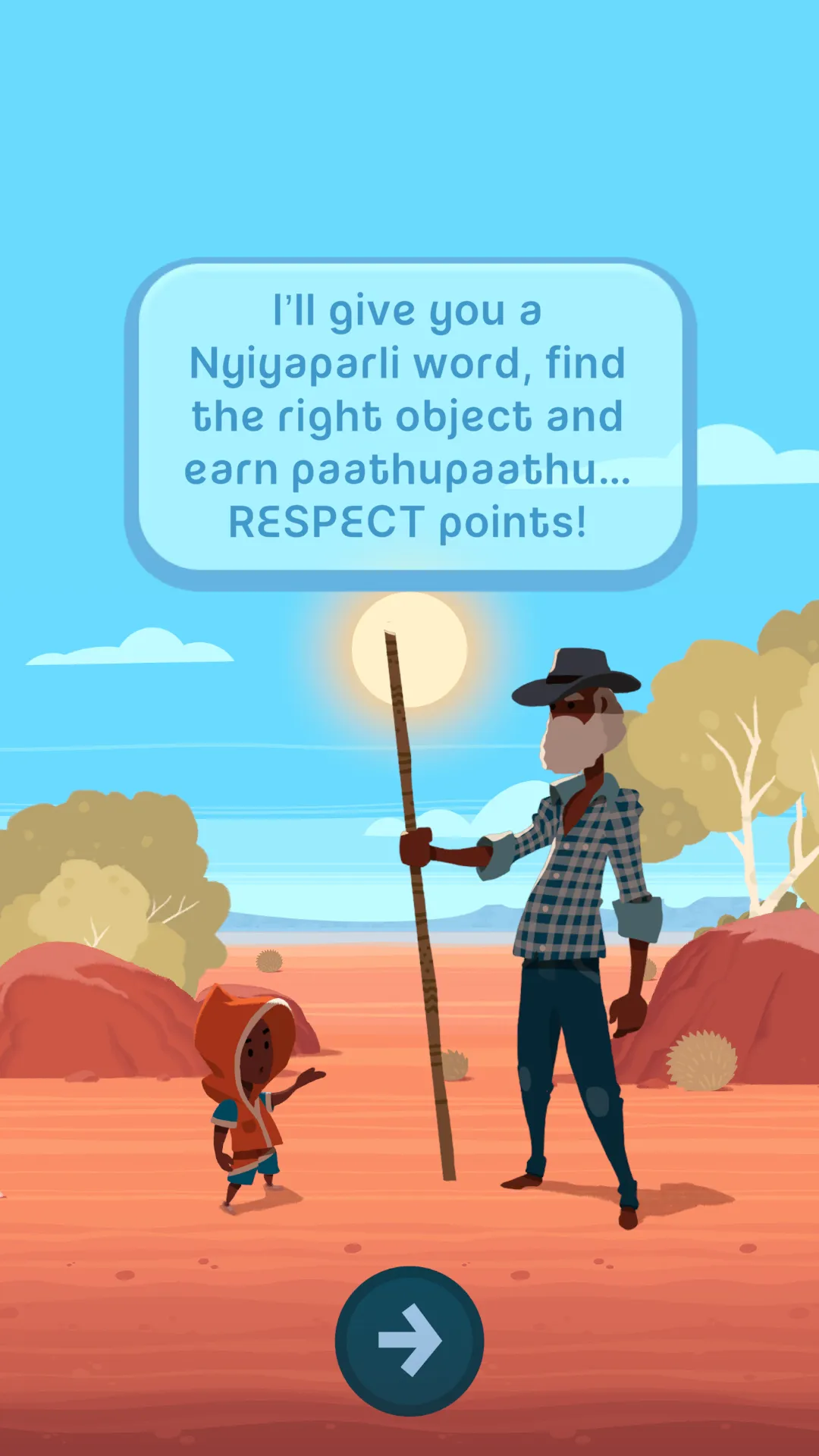
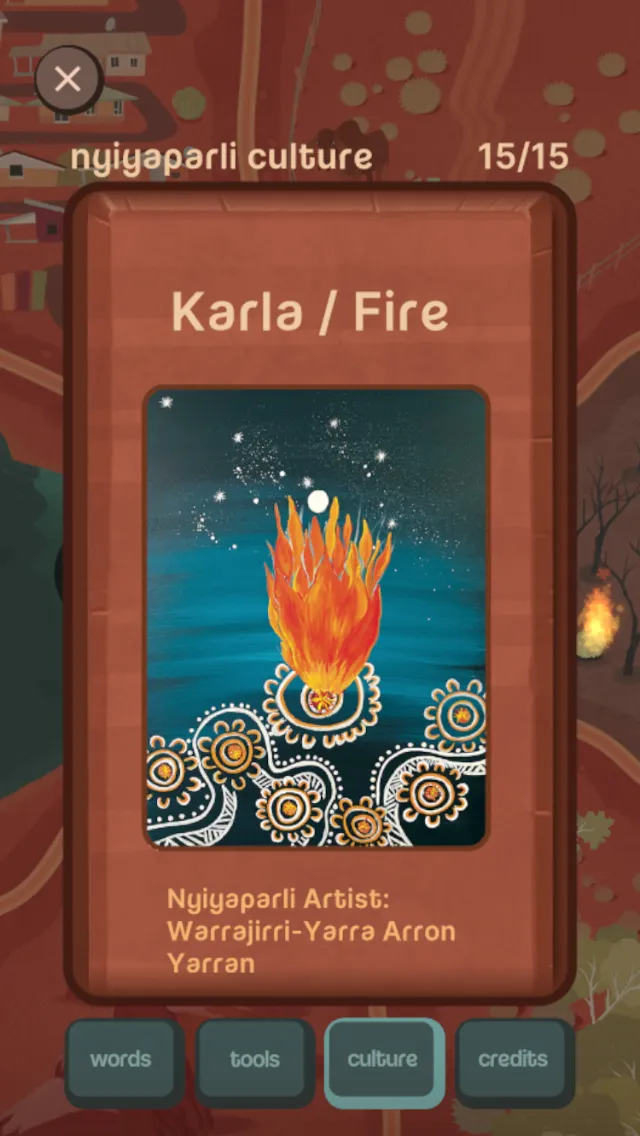
With Nyiyaparli Widi (“widi” = “game”), players explore real locations across Nyiyaparli land as they collect cultural items, complete educational quests, and learn everyday words along the way.
For Nyiyaparli children, the game offers a pathway to connect with their heritage in a format that speaks to their digital-native upbringing. For the broader community, it ensures that precious cultural knowledge doesn’t disappear with the passing of elders.
Preservation in an era of change
At a time when young people feel fatigued by global crises and wary of institutional power, these linguistic revivals represent a declaration of identity in a world that often feels unmoored.
It’s a trend that reveals how digital natives don’t want to feel like they fit in; they want to feel like they belong.
For brands, this shift signals a profound cultural realignment. Younger audiences are dispersing into networks of niche spaces, each with its own norms, aesthetics, and desires.
To reach them, brands can no longer rely on strategies that treat a youth audience as a monolith. They must understand the dynamics of niche communities, learn the languages (literal and symbolic) they use, and be prepared to prioritize collaboration over performance metrics.