Fluffy & feral: What’s behind the Labubu mania?

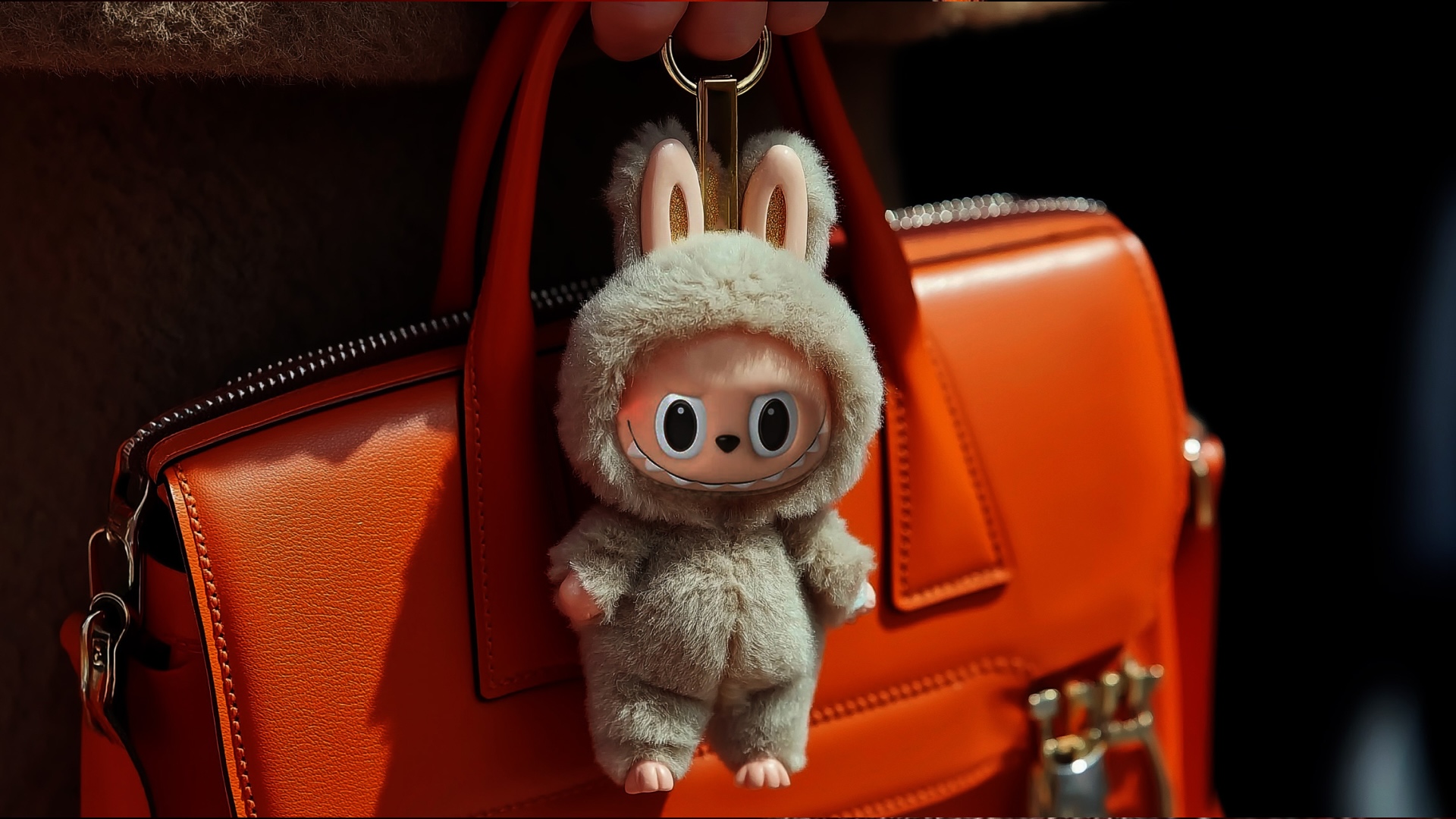
A sharp-toothed, wide-eyed plush gremlin with bunny ears isn’t what you’d expect to be summer’s it-girl. But Labubu is.
What started as an indie art toy in China jumped borders and demographics to become a global fixation: sell-outs, overnight queues, and a flood of “shelfies,” bag charms, and unboxings. From late night legends to pop-culture podcasters to just about every local news anchor, everyone is talking about (and trying to understand) this little monster phenomenon.
Read Labubu as a cultural signal, and you see a stack of 2025 truths: a taste shift toward weird-cute aesthetics, an appetite for self-soothing objects, and a fandom economy that turns buying into belonging.
The Bubu backstory
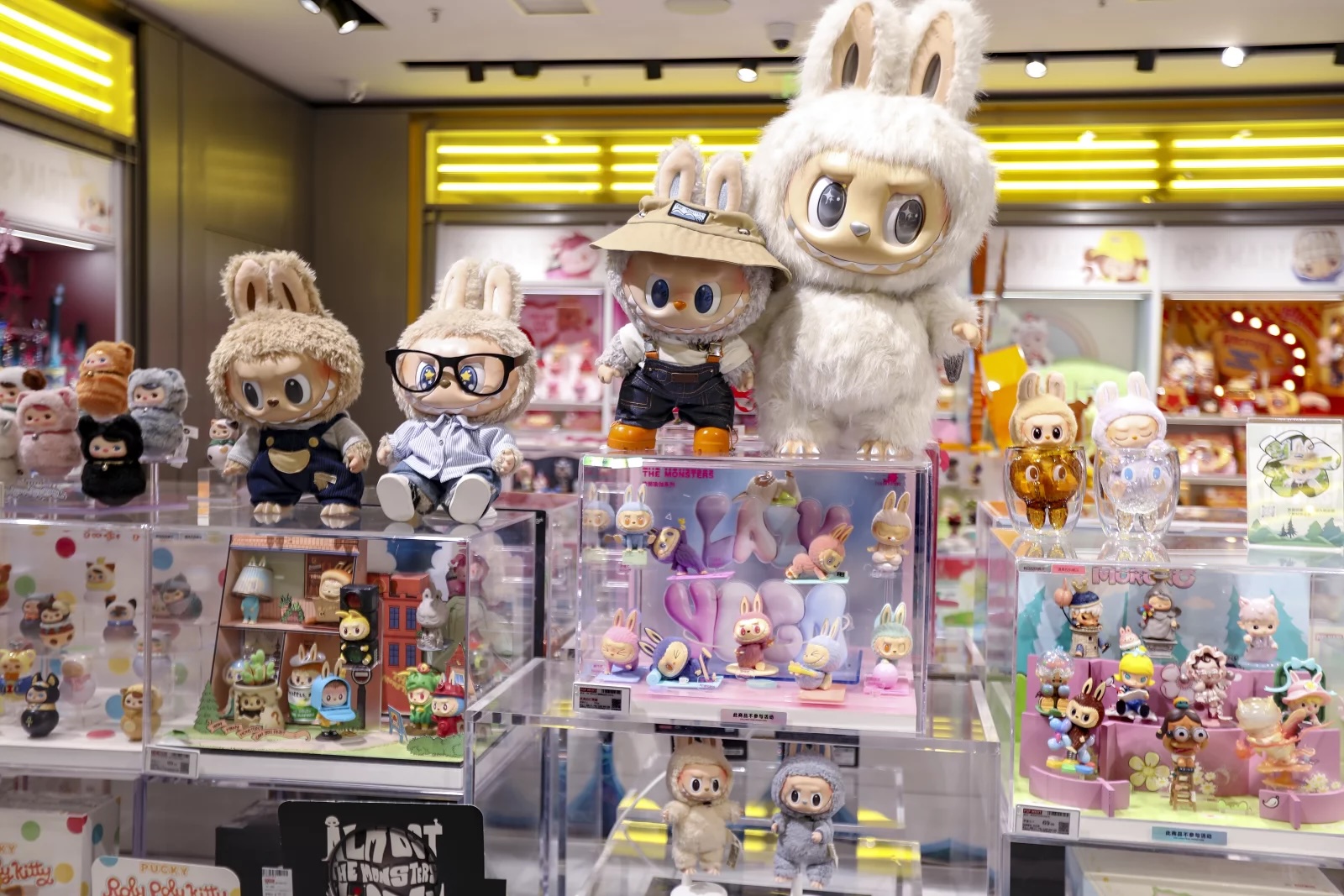
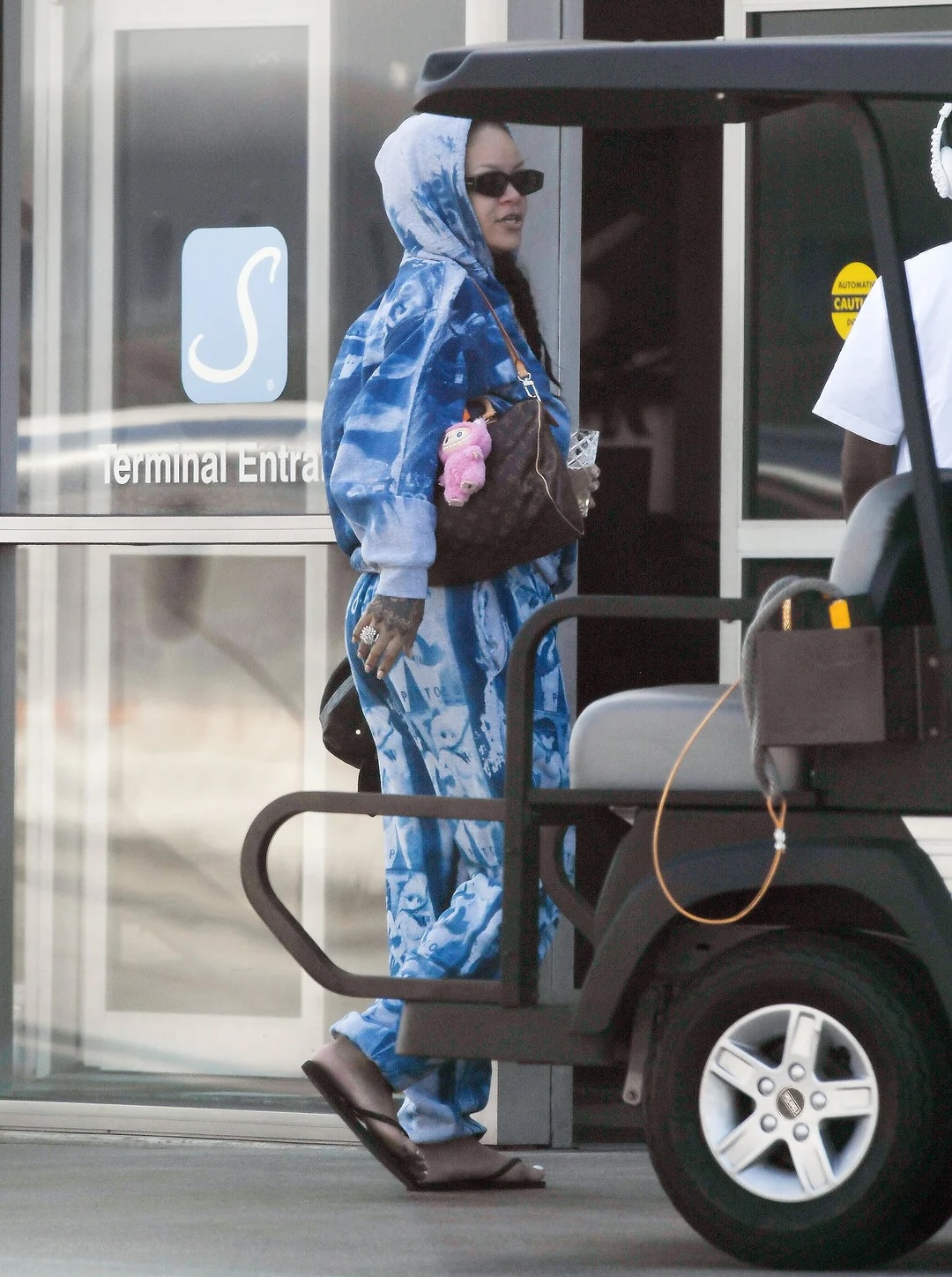
Not sure if you’ve seen a Labubu in the wild? Their faces are unmistakable: soft fluff and long ears meet nine tiny teeth and a mischievous grin. From keychains (or, as the cool kids call them, bag charms) to $170,000 life-sized figurines, Labubus come in a wide variety of sizes and styles. And they’re equally adorably ugly whether spotted on a Birkin bag or an L.L. Bean backpack.
Labubu was born from the imagination of Hong Kong-based artist Kasing Lung, originally introduced through a picture book called The Monsters. Beijing-based toy company Pop Mart partnered with Lung to transform the character into a blind-box collectible around 2018.
What started as a niche release quickly snowballed. New themed series, regional exclusives, and artist collabs kept the momentum going, while Pop Mart’s distinctive retail model—high-design shops, capsule vending machines, and social media-fueled drops—helped cultivate a collector’s culture that felt more like sneakerheads than toy fans. And as Labubu made its way to Europe, the U.S., and beyond, it brought with it a new kind of cultural influence: unapologetically weird, fiercely limited, and totally irresistible.
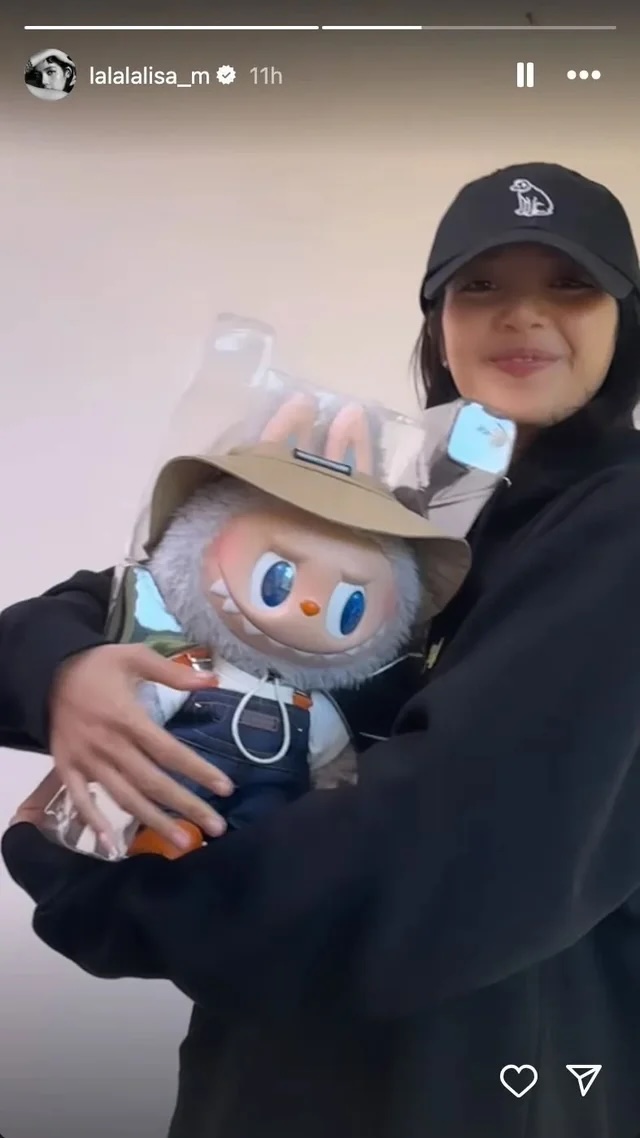
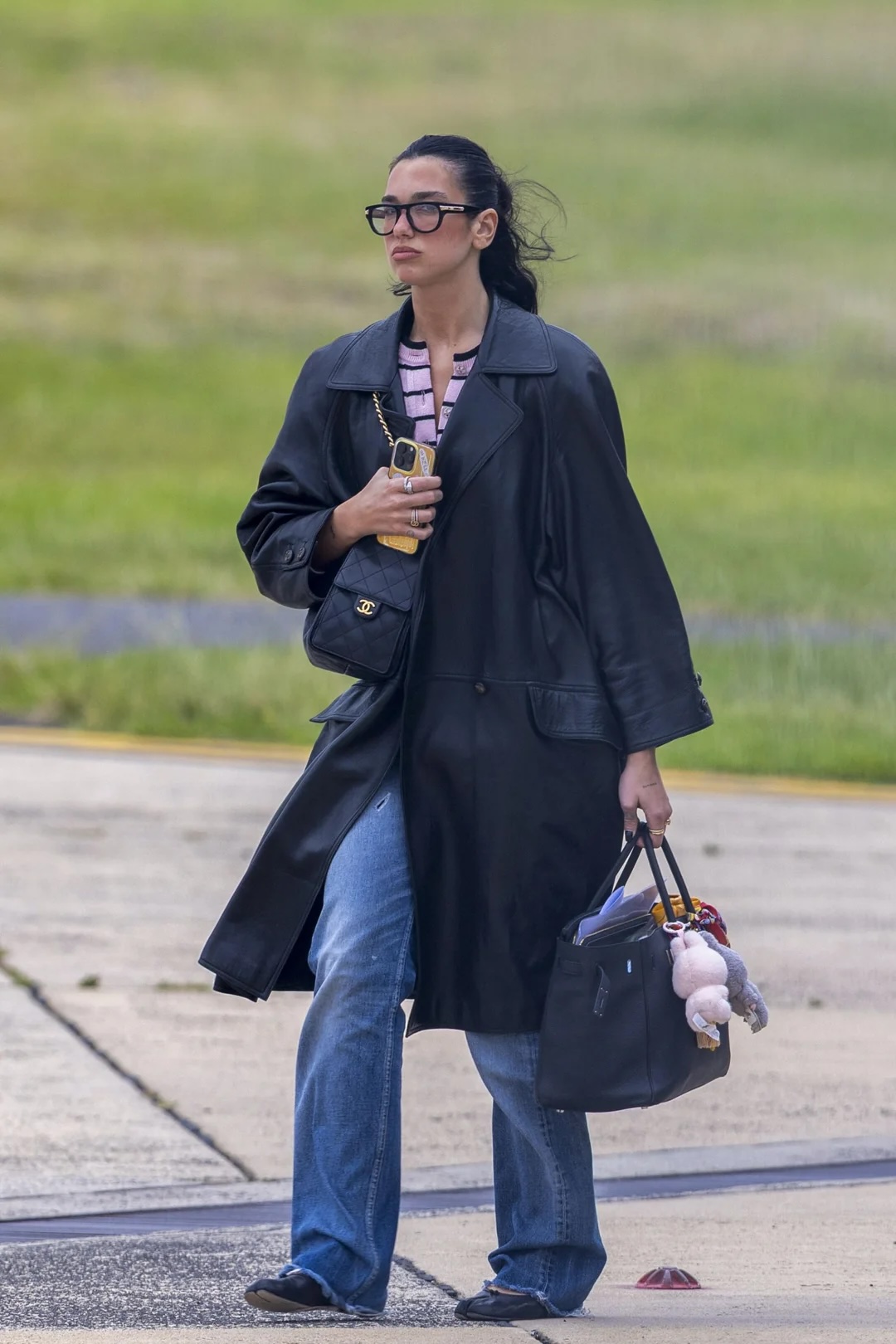
Ugly-cute and emotionally complex
The tenderness and chaotic tension of our little Labubus is part of what makes them so special and ironically approachable. Traditional, polished cuteness can feel too safe, too performative, or simply boring. This aesthetic rebellion is a rejection of the Instagram-perfect era, a signal of authenticity and personality.
While Labubu isn’t necessarily crusading against beauty standards, her character and aesthetics feel layered, and that’s what the people are into. It’s why offbeat icons like M3GAN, Sanrio’s gloomy Badtz-Maru, and even TikTok’s obsession with “feral girl” humor resonate. Labubus’ adorable ugliness communicates a sense of playful nonconformity, a wink to others who “get it.”
From fandom to frenzy
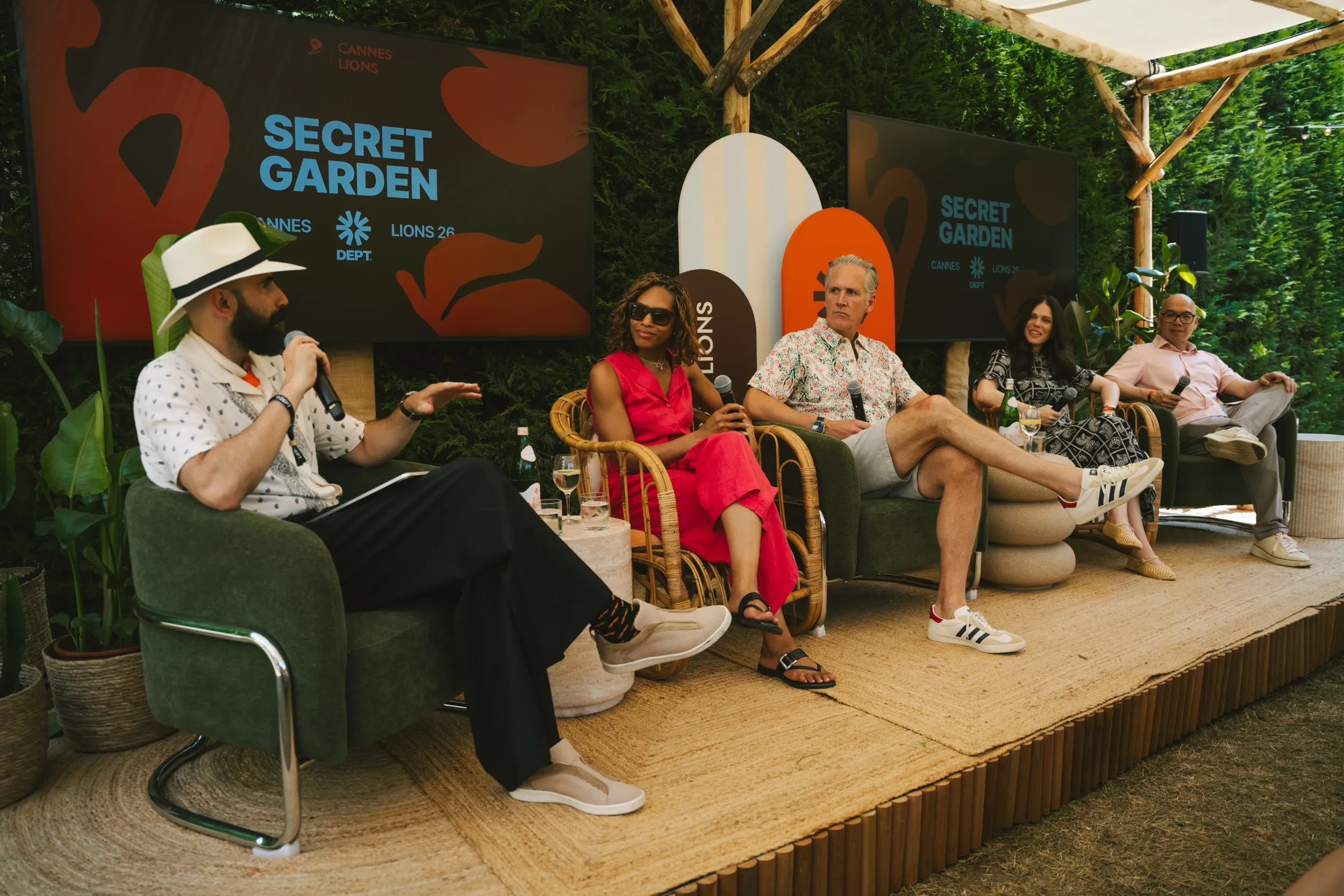
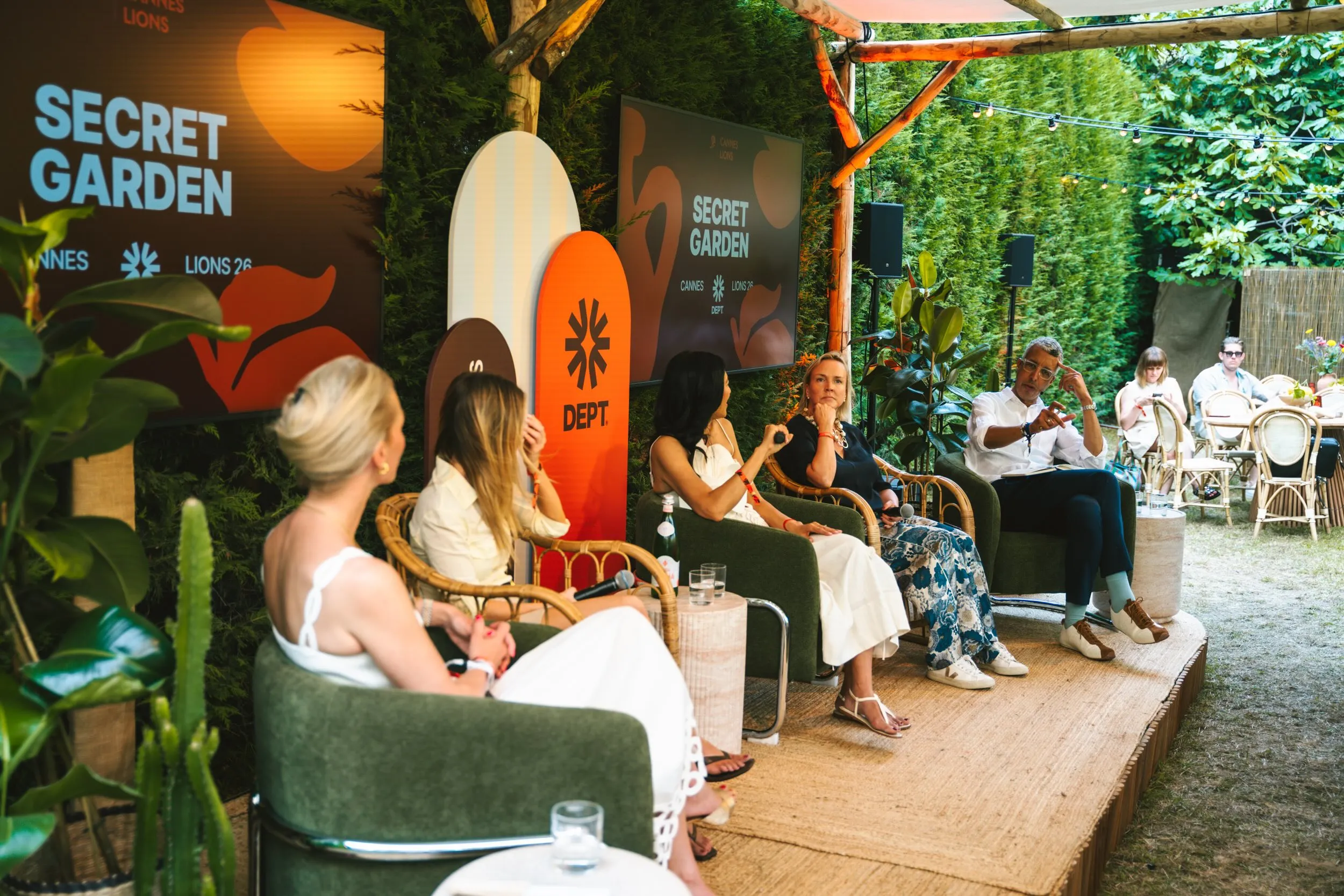
Labubu might’ve started as a quirky designer toy, but its rise into global obsession didn’t happen in a vacuum. It happened in Discord servers, TikTok hashtags, Reddit threads, and fan-run events—one blind box, unboxing video, or trade offer at a time. Pop Mart created a character, but fans like DEPT® Senior Product Designer and Labubu influencer Shea Michals built the culture around it.
Michals’ connection began with TikTok unboxings, videos in which creators celebrated or commiserated over which figurine they pulled before running back to buy another—what they call the “casino effect.” That unpredictability, combined with scarcity drops, is genius marketing: part game of chance, part social ritual. You’re buying a Labubu, but you’re also buying into the chase.
For Michals, that chase evolved into community-building. They now host sculpting workshops, where fans create clay versions of their favorite Labubus, as well as events like Labubu Palooza—a Chicago market where collectors buy authentic figures, shop handmade accessories, and even give their toys tattoos or piercings. It’s a fan ecosystem where creativity and connection are as important as the toys themselves.
Part of the appeal is the hunt itself. Pop Mart’s blind-box model means you never know which version of Labubu you’ll get, and that uncertainty becomes social currency. Fans and collectors post their pulls, mourn their duplicates, celebrate the “chase” variants, and swap with others to complete their sets. Collecting becomes an experience shared with the people who are just as obsessed as you are.
This is the real engine of the craze. Scarcity and smart retail tactics may get people in the door, but it’s the grassroots engagement—the markets, workshops, and constant online exchanges—that transform passive consumerism into participatory culture. And in a time when connection often feels fragmented, that shared emotional investment is the most valuable product Pop Mart sells.
“The growth happened organically, and I’m so thankful to bring fans together. It’s polarizing—some people don’t get it—but for fans, it’s about fun, quirkiness, and smiles. Everyone wants to be connected, but still unique.
”Shea Michals
Silly rabbit, Labubus are for kidults
From the packaging (which specifies Labubus aren’t for people under 15) to the price point to the people lining up for 3 AM store drops, these figures aren’t targeted toward the typical toy audience. Like Jellycats and Mini Brands, Labubu is part of a growing movement where adults are embracing toys and plushies not just as collectibles, but as cultural objects with meaning, mood, and personal resonance.
“We are specifically hitting that Gen Z kidult customer, so they’re more collectible items than anything else, and so they’re definitely not marketed for children,” Emily Brough, Pop Mart’s head of licensing, said in an interview with the Wall Street Journal.
Nostalgia is a part of this (especially when it comes to the resurgence of childhood favorites such as Barbie and Beanie Babies), but it’s not the only factor. People are desperately seeking control, identity, and tangible joy in a world that often feels relentlessly digital and overwhelmingly negative. A plush with a mischievous grin becomes a small rebellion against algorithmic sameness.
The numbers don’t lie: According to research firm Circana, toy sales for adults 18+ were up 12% in the first quarter of 2025 compared to the previous year.
A creature of its time
Labubu is a bag charm, a comfort object, a pop-culture craze—some are even calling it its own asset class. And it’s a reflection of the aesthetics people crave, the gaps they’re trying to fill, and the kinds of communities they want to be part of.
The rise of Labubu is a reminder that products don’t compete on price or features alone, but also meaning, participation, and emotional pull. Pop Mart’s success blends scarcity marketing, collectible culture, and grassroots fandom into a flywheel that brands in any sector can study:
- Design for distinction. Labubu is instantly recognizable and endlessly remixable. Whether you sell toys, tech, or travel, unique visual identity is a growth engine.
- Engineer the chase. Limited drops and “blind box” unpredictability keep people engaged, talking, and sharing.
- Empower the fan economy. Labubu events and community-led customizations show the value of creating space for customers to extend your brand themselves.
Pop Mart’s playbook of scarcity drops, blind-box “casino effect,” and constant variation has resulted in a product that’s almost impossible to buy just once. But the real magic happens after the purchase, when fans bring their Labubus into public spaces, dress them up, trade them, and turn them into tiny, portable membership cards in a global club. Labubu is a case study in what happens when fandom, feeling, and design align. You don’t need to own one to understand why it matters—just visit a Lafufu market and join the fun.