
Premiumisation: the new currency for CPG growth


The old growth playbook is breaking down.
As tariffs squeeze margins and global supply chains remain volatile, the strategy of competing on price and volume has become a liability. At the same time, consumer spending is splitting: Middle-income households are pulling back, while the top 20% of earners remain resilient and continue to drive aggregate growth.
This divergence poses a new question for CPG and retail brands. It’s no longer “How do we get more people to buy more things?” Instead, the more relevant question is: “How do we get customers to pay more for fewer, better things?”
The answer is premiumisation, which doesn’t come from adding fancy labels or vague marketing gloss. It means reshaping perception and delivering tangible upgrades that consumers deem worth a higher price point.
It also means understanding that premiumisation doesn’t look the same for every brand. For some, it’s about functional convenience and relevance. For others, it’s about storytelling, aspiration, and cultural leadership. The challenges and opportunities lie in finding the right balance.
Premiumisation is not one-size-fits-all
Premiumisation isn’t universal. It’s a spectrum, and what makes something “premium” depends entirely on the brand and the expectations consumers bring to it.
Take Hanes. A customer on the Hanes site is there for basics. Delivering a premium experience in this context isn’t about reinventing the brand story to enhance the perception of Hanes as aspirational. Instead, it’s all about functional personalisation, or making it easy for the shopper to find the right size, restock essentials, or pair their previous purchase (if you bought the blue sweatshirt, here are the matching blue sweatpants). Convenience and consistency are the premium.
Now look at Haagen-Dazs (or Grey Goose or La Mer). Consumers don’t choose these brands just for function. They pick them for aspiration. Premiumisation here is about storytelling and discovery: new flavours that spark indulgence, packaging that signals sophistication, and campaigns that invite consumers into a more elevated version of themselves. Too much personalisation could flatten that experience into utility, undercutting the brand’s role as an aspiration driver.
Most brands fall somewhere between these examples. So to what degree should you dial up personalisation versus brand story? Finding that balancing point is the essence of modern premiumisation.
Aspiration vs. personalisation
Recognising that retail and CPG brands can achieve premiumisation in a variety of ways, the challenge becomes knowing when to lean into story (aspiration) and when to lean into personalisation (function). It’s not a binary choice, but a dial that brands must constantly adjust.
- In moments of transaction (searching, replenishing, restocking), personalisation adds the most value. Customers want frictionless relevance, not lofty narratives.
- In moments of inspiration (launches, campaigns, collaborations), the brand story is what creates desire. Here, personalisation can actually get in the way if it narrows the field of discovery.
The smartest brands know how to orchestrate both to deliver functional ease when shoppers expect it, and aspirational storytelling when they’re open to being led. Premiumisation strategy requires knowing how to switch between modes with intention.
Four ways premiumisation is showing up
Experience as the new product
Premium today is often defined by the experience that surrounds a product. Items are no longer judged solely on utility or quality, but on the world they invite consumers into.
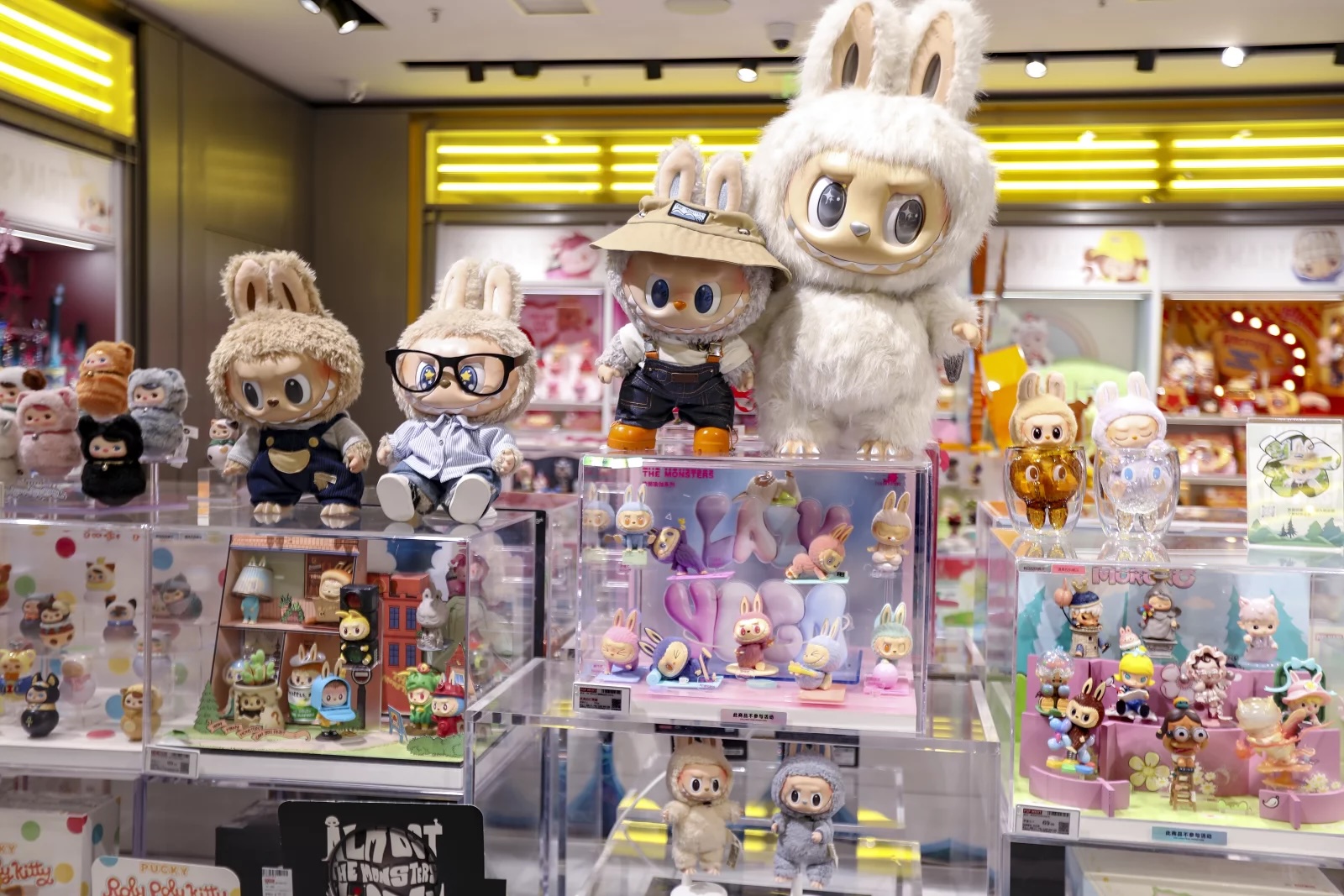
A perfect example is Labubu, the collectible figurine phenomenon. On its own, a Labubu doll is a ~$30 piece of plastic. Nothing is inherently “premium” about the material or construction. But through storytelling, scarcity, and community-driven hype, Labubu has become a cultural symbol. Fans trade, hunt, and display them as artefacts of belonging. Some rare figures even resell for thousands of dollars—a premium price born not from the toy itself, but from the experience of collecting.
Beyond niche collectibles, for CPG and retail brands across categories, experiences are redefining what “premium” means:
- For essentials brands, premiumisation might come from frictionless convenience. Easy replenishment, personalised pairings, or seamless checkout. Here, the experience is about saving time and reducing effort.
- For aspirational brands, premiumisation often means immersive storytelling. Flagship stores that double as cultural landmarks, packaging that transforms unboxing into a ritual, or digital activations that make the brand feel alive. Here, the experience is about adding meaning.
The takeaway: Premiumisation in 2025 isn’t about making products more luxurious. It’s about expanding the frame of value so that the brand offers something bigger than the product itself: a memory, a ritual, or a cultural signal worth paying extra for.
Digital scarcity and quiet luxury
Scarcity has always been part of what makes things feel premium, but not all scarcity is created equal. Simply slapping “limited edition” on a product or stripping down a website design doesn’t automatically confer luxury. In fact, when scarcity is deployed as a gimmick, it often erodes trust rather than building value.
What consumers are responding to now is a deeper form of exclusivity (aka “quiet luxury” or “if you know, you know” culture). The power of scarcity lies not in what that exclusivity communicates: cultural authority, belonging, or shared taste.

- For mass and essentials brands, scarcity can inject novelty into the everyday. A limited seasonal drop of a familiar product can generate buzz and urgency without straying too far from functional value. Think of Oreo’s themed releases: products that aren’t inherently premium, but feel momentarily elevated because they’re scarce and playful.
- For aspirational brands, scarcity is existential. Look at Rhode, Hailey Bieber’s skincare line. Instead of flooding shelves, Rhode curates availability. Products often sell out quickly, making restocks become cultural events amplified across TikTok and Instagram. This drives urgency and reinforces Rhode’s positioning as a tastemaker brand with an insider audience. Here, exclusivity communicates that being a Rhode customer means being part of a cultural moment.
In digital environments, scarcity and subtlety can be even more potent. Invite-only shopping events, members-only communities, or minimalist design that whispers instead of shouts all tell a story: This isn’t for everyone, and that’s the point. Premiumisation here means creating spaces and signals that separate “insiders” from “outsiders,” and giving consumers a reason to want in.
Authenticity as a differentiator
Consumers are highly attuned to whether a brand’s values are marketing veneer or deeply held commitments. And many are willing to pay more when they believe it’s the latter.
Many brands make the mistake of treating authenticity like a box to check. A vague sustainability pledge, a half-hearted charitable partnership, or a glossy campaign about “purpose” leads to skepticism, not premium perception.
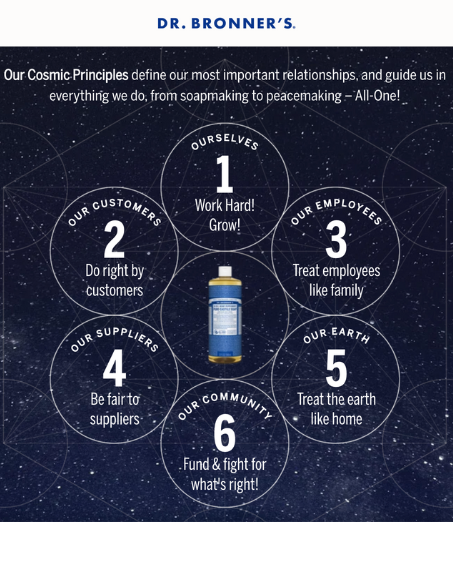
Soap and personal care brand Dr. Bronner’s shows how this can work in practice. Its “All-One” message is lived out through activism, advocacy, and ethical sourcing and manufacturing. From fighting for fair-trade practices to supporting regenerative agriculture and psychedelic therapy research, the brand’s choices consistently reinforce its values. Shoppers aren’t just buying soap; they’re buying into a proven mission that justifies a premium.
- For essentials brands, transparency is the foundation. Clear supply chains, honest labeling, or community-driven storytelling can elevate even commodity products by creating confidence in what’s behind them.
- For aspirational brands, authenticity often comes from cultural credibility. Choosing the right collaborators, supporting the right causes, and demonstrating taste that feels rooted in values rather than trend-chasing.
In this sense, premiumisation is driven by making choices that are visible, consistent, and hard to fake. That could mean publishing supply-chain data, letting communities shape the narrative, or redirecting profits in ways that reinforce the brand’s stated mission. In practice, authenticity becomes a growth lever when it shifts from a campaign message to a business decision consumers can recognise and reward.
AI as the engine for flexible personalisation
Personalisation has long been touted as the holy grail of digital marketing, but most implementations have been blunt: “People who bought X also bought Y.” AI brings much-needed precision and flexibility to the table.
Instead of static rules, AI can read context in real time. What a shopper has viewed, the intent they’re showing in the moment, and even broader cultural trends. And leveraging all of these signals, it can adjust the experience accordingly to provide a person with the best offer for that moment. That means brands can fluidly toggle between functional personalisation and aspirational storytelling depending on what the customer needs.

- For essentials brands, AI can predict replenishment needs, surface relevant add-ons, or make the path to purchase nearly invisible. The premium comes from removing friction so thoroughly that shopping feels effortless.
- For aspirational brands, AI can be used to curate discovery without collapsing it into pure utility. Imagine a luxury fashion site that doesn’t just show you what you’ve bought before, but intelligently guides you into new trends that match your taste profile. This keeps the retailer’s role as tastemaker intact while still feeling personal.
By becoming the invisible infrastructure that decides when to recommend and when to inspire, AI helps brands preserve their premium positioning while still delivering the relevance consumers now expect.
Implications for content, creative, and brand growth
Strategic premiumisation requires knowing where your brand sits on the spectrum and deliberately balancing storytelling and personalisation to create value that your customers will pay more for.
For CPG brands, that often means making the everyday feel easier and more reliable with content that reassures, tools that anticipate needs, and transparent proof points that build trust. For aspirational retailers, it means creating space for discovery and imagination: cultural storytelling, experiences that spark desire, and carefully curated scarcity that protects the brand’s mystique.
The unifying thread is that content and creative become strategic levers, not afterthoughts. Whether through world-building, authenticity, or adaptive personalisation powered by AI, the way a brand shows up is what shapes its perceived value. The brands that succeed in premiumisation will be the ones that treat it less like a campaign and more like an operating principle: every touchpoint, every choice, every signal reinforcing why their product is worth more.